
Seasonal closet rotation isn’t just about tidying up; it’s about maximizing your wardrobe’s potential. By strategically organizing your clothing by season, you unlock a world of efficiency, reducing clutter, and maximizing your style choices. This comprehensive guide will equip you with the tools and techniques to streamline your wardrobe for any season, ensuring your clothes are always ready for their moment in the spotlight.
From understanding the core principles to creating a sustainable and efficient system, this guide will walk you through each step, empowering you to master seasonal wardrobe rotation. Discover the benefits of a well-organized closet and the impact it can have on your overall well-being and style.
Understanding Seasonal Rotation
Seasonal closet rotation is a strategic approach to maximizing wardrobe efficiency and minimizing seasonal fashion mistakes. It’s more than just a spring cleaning; it’s a proactive method for ensuring you’re always dressed appropriately and effectively utilizing your existing clothing inventory. This approach allows for a more mindful and sustainable relationship with your wardrobe.Seasonal wardrobe rotation is fundamentally about aligning your clothing choices with the changing weather patterns and social norms of each season.
It’s a powerful tool for maximizing the value of your clothing investment by ensuring that the right garments are readily available when needed. This proactive approach helps avoid the impulsive purchases often driven by fleeting trends or seasonal cravings.
Core Concept of Seasonal Rotation
The core concept revolves around organizing your wardrobe by season, ensuring that clothing appropriate for a particular season is readily available and accessible. This means that clothing suited for warmer weather, such as shorts and t-shirts, are stored away during the colder months, while heavier items like sweaters and coats are brought out during the winter. This simple system optimizes your wardrobe’s functionality and helps you avoid the hassle of searching through a cluttered closet for the right items.
Step-by-Step Guide to Organizing a Seasonal Wardrobe
This systematic approach involves several key steps:
- Inventory Assessment: Thoroughly examine your existing wardrobe, categorizing items by season. Consider the fabric, style, and intended use of each piece.
- Seasonal Categorization: Sort clothing into distinct piles representing spring, summer, fall, and winter. Be mindful of layering options and versatile pieces that can transition between seasons.
- Storage Optimization: Utilize storage solutions appropriate for each season. Clear, labeled bins or garment bags can help keep items organized and prevent wrinkles.
- Regular Rotation: Establish a routine for transitioning between seasons. This ensures that you always have access to the appropriate clothing for the current weather conditions.
Benefits of Rotating Clothes Seasonally
Rotating your wardrobe offers several advantages:
- Reduced clutter and improved organization: Seasonal rotation naturally simplifies your closet, reducing the feeling of overwhelm and making it easier to find the clothes you need.
- Improved decision-making: Knowing precisely what’s available makes choosing outfits faster and more effective, saving time and effort.
- Reduced impulse purchases: Knowing your seasonal inventory helps you avoid unnecessary spending on items you already own.
- Enhanced sustainability: By ensuring you utilize existing garments, you can reduce textile waste and contribute to a more sustainable fashion approach.
Different Approaches to Seasonal Wardrobe Rotation
Various approaches exist for seasonal wardrobe rotation. Some individuals favor a rigid system with dedicated spaces for each season, while others adopt a more flexible approach, using versatile pieces to bridge the transition between seasons. The key is to find a system that works best for your lifestyle and needs.
Types of Clothing Suitable for Each Season
The ideal clothing choices for each season are directly influenced by the climate and social norms.
| Season | Clothing Types |
|---|---|
| Spring | Lightweight jackets, floral prints, linen, cotton, and breathable fabrics |
| Summer | Shorts, sundresses, t-shirts, and other comfortable, light clothing |
| Fall | Sweaters, cardigans, corduroy, and denim |
| Winter | Coats, scarves, gloves, and heavy-duty fabrics |
Basic Seasonal Closet Rotation Chart
A basic seasonal closet rotation chart can be a valuable tool for visualization and organization.| Season | Items to Bring Out | Items to Put Away ||—|—|—|| Spring | Lightweight jackets, dresses, shorts, t-shirts | Sweaters, heavy coats, winter boots || Summer | Shorts, sundresses, tank tops, sandals | Sweaters, heavy jackets, winter boots || Fall | Sweaters, cardigans, long-sleeved shirts, boots | Shorts, sundresses, tank tops, sandals || Winter | Coats, scarves, heavy sweaters, winter boots | Lightweight jackets, shorts, sandals |This chart provides a basic framework for understanding the seasonal transition.
Adapt and modify it based on your specific climate and personal preferences.
Planning and Preparation
Successfully rotating your wardrobe seasonally hinges on meticulous planning and preparation. A well-structured approach allows you to maximize the utility of your clothes, minimize waste, and create a streamlined, organized closet. This involves a comprehensive assessment of your current wardrobe, understanding your seasonal needs, and implementing a system for storing and organizing items efficiently.Careful planning is essential to ensure your seasonal rotation is not just a one-time exercise but a sustainable practice that adapts to your changing needs and preferences throughout the year.
This involves anticipating potential needs and proactively preparing your wardrobe for the upcoming season, making the process smoother and more effective.
Assessing Your Current Wardrobe
A thorough evaluation of your current wardrobe is the foundation of a successful seasonal rotation. This involves a critical examination of every item, considering its condition, fit, and overall suitability. Identifying items that no longer serve their purpose, or that are in poor condition, is crucial to making space for new pieces.This process also involves taking stock of the items you already own.
Categorize clothing by season, considering colors, fabrics, and styles. This detailed inventory will help you understand your existing wardrobe’s strengths and weaknesses, paving the way for informed decisions regarding future purchases.
Evaluating Seasonal Needs and Preferences
Understanding your seasonal needs and preferences is key to an effective wardrobe rotation. Consider the typical weather patterns and activities you engage in during each season. For instance, if you live in a region with hot summers and cold winters, your clothing needs will vary significantly.Consider your lifestyle. If you frequently travel, your wardrobe will need to accommodate various climates and activities.
Think about your personal style. Do you prefer classic pieces or trendy items? This self-assessment ensures your wardrobe aligns with your individual needs and preferences. An important consideration is to identify seasonal items that are essential to your wardrobe, and those that can be easily swapped out.
Examples of Seasonal Clothing Items
| Season | Clothing Items |
|---|---|
| Spring | Lightweight jackets, cardigans, blouses, dresses, shorts, skirts |
| Summer | Tank tops, t-shirts, sundresses, shorts, swimwear, sandals, linen shirts |
| Autumn | Sweaters, cardigans, long-sleeved shirts, trousers, boots, blazers |
| Winter | Coats, sweaters, scarves, hats, boots, leggings, thermal underwear |
This table provides a basic guideline. The specific items will vary depending on individual preferences, climate, and lifestyle. For example, someone who enjoys outdoor activities during the fall might need more hiking gear.
Seasonal Closet Rotation Checklist
- Inventory all clothing items.
- Sort items by season.
- Assess the condition of each item.
- Identify items to donate, sell, or discard.
- Create space for new items.
- Choose storage solutions for each season.
- Label each storage container.
- Prepare the closet for the next season.
This checklist ensures that every step of the seasonal rotation is accounted for.
Storing and Organizing Clothes Seasonally
Efficient storage and organization are vital to a successful seasonal rotation. Consider using clear storage containers to easily identify items. Vacuum-sealed bags are ideal for minimizing space for off-season clothes. Invest in durable storage solutions that can maintain the quality of your clothes. Properly storing clothes can extend their lifespan and prevent damage from pests or moisture.
Preparing Your Wardrobe for the Next Season
Preparing your wardrobe for the next season is about proactively anticipating your needs. This means evaluating the items you’ll need for the upcoming season and making any necessary adjustments. Consider purchasing items that are in high demand or in trend. Make sure that your wardrobe can accommodate new trends or activities. Assess if there are any necessary alterations or repairs that need to be made.
Decluttering and Purging

A successful seasonal closet rotation hinges on a thorough decluttering process. This phase isn’t just about tidying; it’s about creating space for items that truly serve your needs and preferences, maximizing the effectiveness of your wardrobe. This rigorous review allows for a clearer understanding of your style evolution and current requirements, ultimately improving your shopping decisions and reducing unnecessary purchases.Effective decluttering allows you to curate a wardrobe that aligns with your current lifestyle and preferences.
This process ensures that every item in your closet serves a purpose, rather than being a remnant from a previous season or style. It also paves the way for a smoother, more efficient rotation process in the future.
Assessing Condition and Suitability
Determining the condition and suitability of each garment is crucial before deciding its fate. Visual inspection and a tactile assessment are essential steps. Look for tears, stains, or noticeable wear and tear. Evaluate the fit and comfort level. Does the garment still reflect your current style?
Does it fit your body type and preferences? A critical evaluation ensures that only items in excellent condition and aligned with your current needs are retained.
Methods for Donating or Selling
Properly preparing items for donation or sale maximizes their value and potential impact. Clean the items thoroughly, removing any dirt or stains. Repair any minor damage that could be addressed. Fold or hang garments according to their type. For online sales, high-quality photos are crucial.
Detailed descriptions of the condition, size, and features are essential to attract potential buyers. Using appropriate packaging and shipping materials is critical to protect the items during transport.
Identifying Items to Keep, Donate, and Discard
This process requires a thoughtful evaluation. Identify garments that are in excellent condition, perfectly aligned with your current style, and that you frequently wear. These are the keepers. Clothes that are damaged, no longer fit, or haven’t been worn in a significant period are prime candidates for donation. Items that are beyond repair or simply not aligned with your style should be discarded.
This process allows for a refined wardrobe, freeing up space and improving your overall style choices.
Clothing Care Before Storage
Proper clothing care before storage ensures longevity and prevents damage. Wash and dry all items before storage. Iron or steam clothes to remove wrinkles. Ensure that garments are completely dry before being placed in storage. Use appropriate storage bags or containers to protect clothes from dust, moisture, and pests.
These measures extend the lifespan of your garments and maintain their condition for future use.
Clothing Quality Evaluation System
Establishing a system for evaluating clothing quality is key for informed decision-making. A simple grading system, such as excellent, good, fair, or poor, can be used to categorize items. Consider factors like material, construction, fit, and overall condition when assigning a grade. This method allows for a structured approach to decluttering, prioritizing garments that are worth keeping and maximizing the value of your wardrobe.
Examples of a scoring system include assigning points based on material quality, fit, and current relevance to your style.
Seasonal Storage
Maximizing your closet space for each season isn’t just about aesthetics; it’s a strategic approach to wardrobe management. Proper storage solutions extend the life of your garments, minimizing wear and tear, and preventing damage from moisture, pests, and light. Efficient seasonal storage also streamlines your wardrobe rotation, making it easier to find what you need when you need it.Effective seasonal storage goes beyond simply putting clothes away.
It involves thoughtful organization, appropriate materials, and a mindful approach to protecting your garments. This strategy translates to less wasted time searching through overflowing drawers and closets, allowing you to focus on the joy of getting dressed rather than the frustration of finding the right item.
Maximizing Storage Space
Careful planning and utilization of available space are crucial for maximizing storage efficiency. Consider vertical space by utilizing tall shelves or stackable containers. Strategic placement of items, such as storing less-used items in the back of the closet or on higher shelves, allows easier access to frequently worn garments. Mirrors strategically placed within the storage area can also help you visualize your outfits and maintain a clear overview of your wardrobe.
Storage Solutions for Seasonal Clothing
Various storage solutions cater to different needs and preferences. Vacuum-sealed bags are ideal for minimizing bulky items like sweaters and blankets, while clear storage bins offer easy visibility and accessibility. Hanging organizers can keep garments neat and wrinkle-free. Consider using drawer dividers to keep smaller items like socks, underwear, and accessories organized.
Storage Containers and Materials
Selecting appropriate storage containers is key to successful seasonal storage. Fabric-covered containers offer a more aesthetically pleasing look, while clear plastic containers allow for easy identification of contents. Cardboard boxes can be economical, but their structural integrity needs careful consideration. Waterproof materials are essential for storing items in humid climates or damp areas.
Folding and Hanging Clothes for Storage
Efficient folding techniques prevent wrinkles and maximize space. Rolling clothes instead of folding can save space in drawers and boxes. Hanging garments properly on padded hangers minimizes stretching and maintains their shape. Sorting clothing by category (e.g., tops, bottoms, dresses) before storage will make it easier to find the desired items.
Protecting Clothes from Damage During Storage
Protecting garments from damage during storage is essential for their longevity. Using acid-free tissue paper or garment bags will protect items from moisture and light damage. Storing delicate items in breathable materials and away from direct sunlight will maintain their quality. Inspect clothing regularly for signs of damage and address any issues immediately.
Ideal Environment for Storing Clothes
Maintaining an ideal environment for storing clothes is crucial. Storing clothes in a cool, dry place minimizes the risk of mildew and pests. A climate-controlled environment can be beneficial, especially in areas with fluctuating humidity levels. Keeping the storage area clean and free from dust will prevent dust accumulation and damage.
Creating a Seasonal Capsule Wardrobe
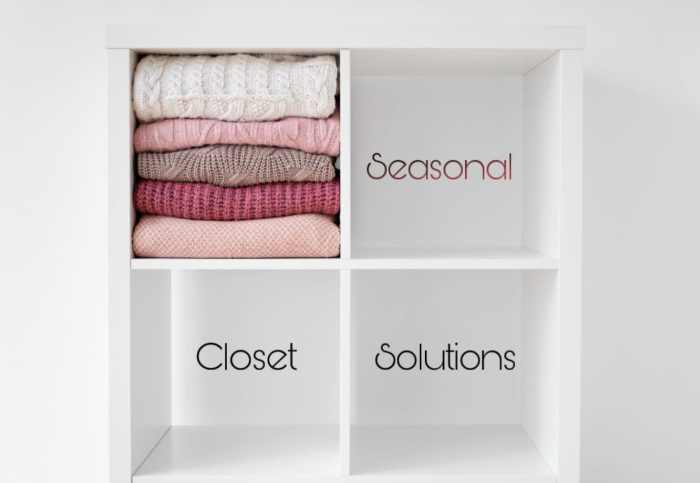
A capsule wardrobe, a curated collection of versatile clothing items, streamlines your wardrobe and reduces decision fatigue. It’s a powerful tool for maximizing your closet space, minimizing waste, and optimizing your style for each season. This approach allows you to dress well without overspending or accumulating unnecessary clothing.The core concept of a capsule wardrobe is to select key pieces that can be mixed and matched to create a variety of outfits.
This minimizes the need for extensive shopping and maximizes the use of existing garments. By strategically choosing items that complement each other, you can assemble stylish looks for different occasions, from casual outings to more formal events.
Capsule Wardrobe for Each Season
A successful capsule wardrobe is tailored to the specific characteristics of each season. Spring, summer, autumn, and winter wardrobes all need to account for the weather patterns and social events that are typical for that period. Understanding these seasonal nuances is critical for creating a practical and enjoyable wardrobe.
Sample Spring Capsule Wardrobe
This sample spring capsule wardrobe is designed for a moderate climate, allowing for layering and transitions between warmer and cooler days. The items are selected for their versatility and ability to be mixed and matched to create a variety of looks.
- Tops: A white button-down shirt, a lightweight cardigan, a t-shirt in a neutral color (like grey or black), a flowy blouse, and a simple tank top.
- Bottoms: A pair of dark-wash jeans, a pair of khaki pants, a linen skirt, and a pair of linen shorts. These can be styled with different tops for various events.
- Outerwear: A denim jacket or a light trench coat for layering on cooler days.
- Shoes: A pair of comfortable sneakers, sandals, and a pair of loafers.
- Accessories: A scarf, a straw bag, a belt, and jewelry that complements the other pieces.
Choosing Versatile Clothing Items
Choosing versatile items is key to a successful capsule wardrobe. Consider the fabrics, colors, and silhouettes that can be easily mixed and matched. Neutral colors, such as black, white, grey, and navy, are excellent choices for building a versatile wardrobe.
- Fabric: Select fabrics that are appropriate for the season and that maintain their shape and style through multiple washes.
- Silhouettes: Consider classic silhouettes that are flattering on different body types. A well-fitting A-line dress, for instance, can be styled with various accessories and footwear.
- Colors: Neutral colors like black, white, grey, and beige allow for easy mixing and matching of items.
Key Pieces for Each Season
Key pieces are those items that can be styled in multiple ways and serve as the foundation for various outfits. Identifying these pieces is crucial for a well-organized capsule wardrobe.
- Spring: A white button-down shirt, a lightweight cardigan, a versatile skirt, a pair of versatile pants, and a comfortable pair of shoes are key pieces.
- Summer: A simple tank top, a linen shirt, a sundress, a pair of shorts, and sandals are crucial summer staples.
- Autumn: A sweater, a flannel shirt, a blazer, a pair of dark-wash jeans, and ankle boots are essential autumn pieces.
- Winter: A warm coat, a turtleneck sweater, a pair of dark pants, a pair of boots, and a scarf are winter essentials.
Building a Capsule Wardrobe
Building a capsule wardrobe involves a thoughtful approach to acquiring and managing clothing. Start with a small collection of versatile pieces and gradually add more as needed.
- Assess your needs: Consider your lifestyle and the types of outfits you typically wear. Identify the most frequently worn items and prioritize those.
- Choose quality over quantity: Invest in well-made pieces that will last for several seasons. Focus on quality fabrics that will maintain their shape and style.
- Gradually add items: Don’t try to do it all at once. Add new pieces to your wardrobe gradually, as needed. This prevents overwhelming yourself with the process.
Capsule Wardrobe Approaches for Various Climates
The approach to building a capsule wardrobe can vary based on the climate. A wardrobe for a hot, humid climate will differ significantly from one for a cold, snowy region.
| Climate | Key Considerations |
|---|---|
| Hot, humid | Lightweight fabrics, breathable materials, and items that stay cool and comfortable are essential. |
| Cold, snowy | Layers, insulation, and waterproof materials are key to staying warm and dry. |
| Moderate | A mix of versatile pieces that can be worn in varying weather conditions is ideal. |
Maintenance and Review
Seasonal closet rotation is not a one-time project; it’s a dynamic system that requires ongoing maintenance. Regular reviews and adjustments are crucial to ensure the rotation remains effective and relevant to your evolving needs and the changing seasons. This involves adapting to weather patterns, lifestyle changes, and the acquisition of new clothing items.Successful rotation relies on consistent monitoring and proactive updates.
Ignoring these elements can lead to an inefficient wardrobe, resulting in a less satisfying and less productive clothing experience. Proactive maintenance ensures that your closet remains a functional and enjoyable space.
Regular Updates to the Seasonal Rotation
Maintaining a seasonal rotation requires periodic updates to reflect changing weather patterns, personal preferences, and new purchases. This involves checking and adjusting the categories to ensure the rotation is optimized. Regular review helps to prevent items from becoming trapped in a category that no longer suits their use. For instance, a light jacket that was once perfect for spring might become more suitable for fall.
Adjusting the Rotation Based on Weather Patterns
Weather patterns influence clothing choices. A significant shift in temperatures or an unusually prolonged period of warm or cold weather necessitates adapting the seasonal rotation. For example, if a region experiences an unusually warm winter, the rotation might need to shift the items in the winter category to a slightly later season, like spring or fall. Alternatively, unusually cold weather in summer might require adjustments.
Adapting the Rotation for Different Lifestyles
Individual lifestyles impact the effectiveness of a seasonal rotation. An active individual, for example, might need more athletic wear in their rotation than someone who leads a more sedentary lifestyle. Similarly, someone with a demanding work schedule may benefit from a rotation that prioritizes versatile and easy-care items. Adjustments to the rotation should reflect these variations in lifestyle.
Reviewing and Updating the Rotation
A scheduled review of the seasonal rotation is essential. Regular reviews, at least once a quarter or even more frequently depending on lifestyle changes, ensure the rotation remains relevant. This review process should involve a thorough examination of the clothing in each category, considering its appropriateness for the current season. Consider factors like weather, events, and social activities.
Incorporating New Items into the Rotation
New items should be integrated into the existing rotation. A structured approach to integrating new items ensures consistency and prevents clutter. Assess the item’s suitability for a particular season or category. If it doesn’t fit into any existing category, it might be necessary to create a new one or modify existing ones.
Schedule for Seasonal Wardrobe Reviews
Establishing a regular schedule for seasonal wardrobe reviews is critical. This schedule should be tailored to individual needs and preferences, but a quarterly review is generally recommended. This ensures that the rotation is always aligned with the current season and lifestyle. For example, a schedule could include a comprehensive review in the spring and fall.
Maximizing Space and Efficiency
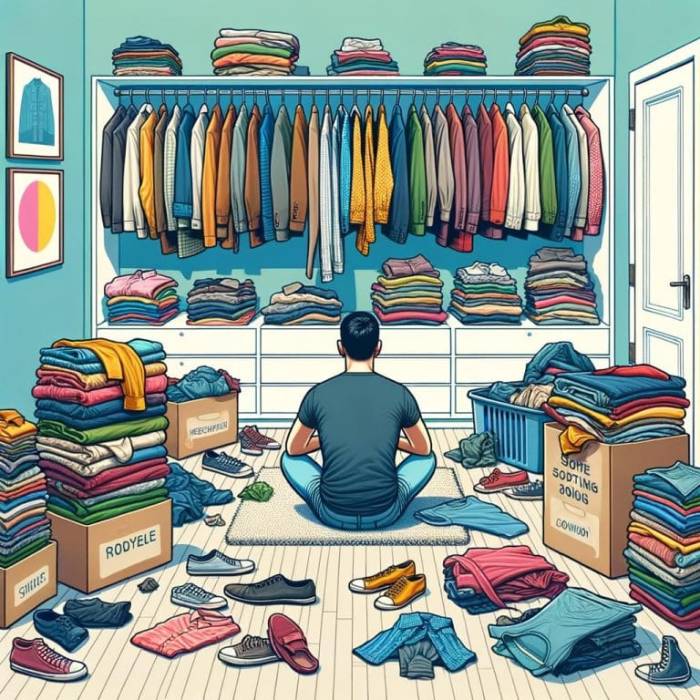
Optimizing your closet space is crucial for a streamlined seasonal rotation. Effective organization not only saves time but also reduces stress associated with finding clothes. This involves strategically utilizing every inch of available space, from the floor to the ceiling. Proper storage solutions are key to maintaining a well-organized and functional wardrobe.Maximizing closet space involves a multifaceted approach.
It requires careful planning, strategic placement of storage solutions, and a commitment to maintaining order. This section explores techniques for making the most of your closet, ensuring a smooth and efficient seasonal transition.
Utilizing Vertical Space for Storage
Vertical space often goes untapped in closets. By leveraging this vertical dimension, you can significantly increase storage capacity without sacrificing floor space. Hanging organizers, tall shoe racks, and stackable storage bins are excellent ways to maximize vertical storage. Utilizing these solutions effectively elevates the amount of clothing, accessories, and other items you can store.
Organizing Drawers and Shelves for Maximum Efficiency
Efficient drawer and shelf organization is vital for a well-functioning wardrobe. Utilizing drawer dividers, clear containers, and labeled bins are all critical. This allows for easy access to items, prevents clutter, and promotes visual appeal. For instance, using clear containers allows for quick identification of items without needing to dig through the drawer. Similarly, dividers can organize small items and prevent them from shifting around.
Employing Hanging Organizers and Storage Solutions
Hanging organizers, such as shelf dividers and hanging shoe racks, effectively extend storage capacity and keep items neatly sorted. Hanging organizers, often made of durable plastic or wire, offer extra hanging space for accessories, scarves, and belts. Moreover, they create an organized visual presentation, allowing for quick retrieval of garments. A key example of this is the use of hanging shoe racks, which are beneficial for storing various sizes of shoes while also saving floor space.
Minimizing Clutter in a Closet
Minimizing clutter is a key component of maximizing closet space. A decluttered closet is easier to maintain and provides a clear path to accessing clothing items. A crucial step is to regularly review your wardrobe and remove items that no longer fit, are worn out, or you haven’t used in a while. This process ensures the closet is always stocked with items you actively use and want to wear.
Optimizing Closet Space
Closet optimization involves strategic placement of various storage solutions. This is vital for seamless transitions during seasonal rotation. Incorporating shelves, especially adjustable ones, allows for customized storage solutions to fit specific needs. Additionally, using stackable storage bins or boxes can provide organized storage for seasonal items and out-of-season clothing. The careful selection and placement of storage solutions are crucial for maximizing the use of space.
Incorporating Shelves and Other Storage Solutions
Incorporating shelves is an effective way to utilize vertical space and store items that aren’t hung. Consider installing additional shelves or using stackable storage units to create dedicated spaces for accessories, bags, or seasonal items. This strategy also creates clear zones for various items, promoting organization and ease of retrieval. A key example is using tall, narrow shelves to store off-season clothes or bulky items.
Eco-Friendly Practices
Fast fashion’s relentless cycle of production and consumption has a significant environmental footprint. The industry contributes to pollution through textile dyeing, water usage, and the sheer volume of discarded garments. Minimizing our clothing footprint is crucial for mitigating these impacts and fostering a more sustainable lifestyle. A conscious seasonal rotation, coupled with eco-friendly choices, can drastically reduce our contribution to the problem.Adopting sustainable practices in our wardrobe rotation extends beyond simply discarding less.
It involves thoughtful consideration of the entire lifecycle of a garment, from sourcing materials to disposal. Strategies that prioritize repair, reuse, and responsible consumption can create a smaller environmental impact. This approach emphasizes the importance of quality over quantity and encourages mindful decisions in every step of the process.
Environmental Impact of Clothing Choices
The fashion industry’s environmental impact is substantial. From greenhouse gas emissions during manufacturing to the pollution of water bodies from textile dyes, the production and disposal of clothing contribute significantly to environmental problems. The sheer volume of clothing discarded each year exacerbates the problem. Understanding these impacts allows for informed choices that align with sustainability goals.
Minimizing Clothing Waste During Rotation
Minimizing clothing waste during seasonal rotation is vital for reducing environmental harm. Avoid impulsive purchases and instead prioritize items that genuinely meet needs and fit within the seasonal capsule wardrobe. Repairing or repurposing existing garments is a crucial step, extending their lifespan and reducing the need for new acquisitions. This approach is a more sustainable alternative to the fast fashion cycle.
Repairing and Repurposing Clothes
Learning basic sewing and mending skills can significantly reduce clothing waste. A simple hem repair or button replacement can extend the life of a garment substantially. Repurposing old clothes into new items, such as transforming a t-shirt into a tote bag, further minimizes waste. These simple actions demonstrate a commitment to reducing environmental impact and valuing the inherent resourcefulness of existing items.
Sustainable Storage Solutions for Seasonal Clothes
Sustainable storage solutions for seasonal clothes emphasize eco-friendly materials and minimal waste. Opt for reusable, washable fabric storage bags or containers made from recycled or sustainably sourced materials. Avoid plastic-heavy options and consider using natural fibers like cotton or linen for storage. This extends to storage solutions for seasonal items, reducing reliance on single-use plastic.
Eco-Friendly Alternatives for Seasonal Wardrobe Rotation
Consider renting or borrowing clothes for specific seasons instead of buying new items. This approach significantly reduces the environmental impact of clothing production. Thrift stores and consignment shops provide access to pre-loved garments, offering an opportunity to reduce consumption and support sustainable practices. This alternative to new purchases is a cost-effective and environmentally friendly choice.
Choosing Clothes with Sustainability in Mind
Prioritize clothing made from sustainable materials like organic cotton, recycled polyester, or linen. Look for certifications that guarantee ethical and environmentally friendly production practices. Research brands committed to sustainable practices and responsible sourcing. These actions empower consumers to make informed decisions that align with their values and environmental goals.
Visual Representation
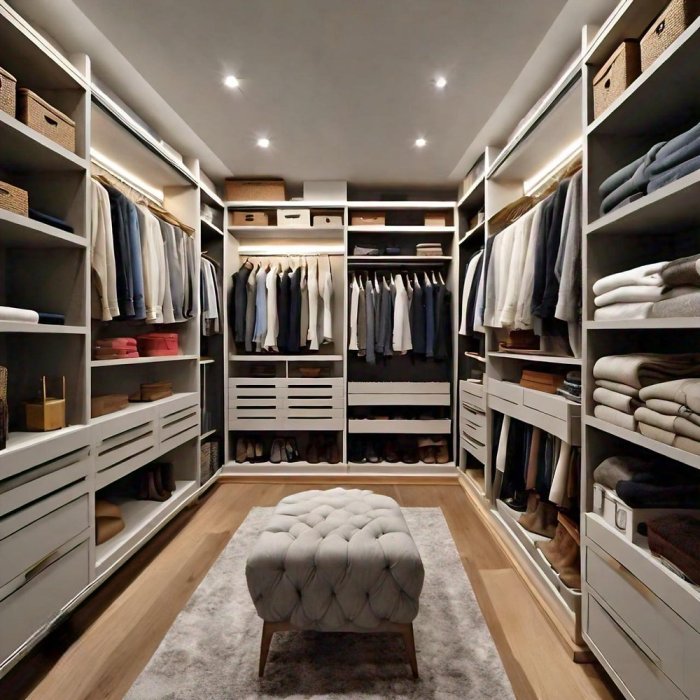
A crucial component of successful seasonal closet rotation is visualizing the process. This involves not just mentally organizing clothing but also physically representing the categories, storage solutions, and clothing items for each season. Clear visual aids can significantly aid in decluttering, efficient storage, and the overall success of the rotation.
Seasonal Clothing Categories
Visualizing clothing categories by season helps you understand what you own and what’s missing. This table categorizes clothing based on typical seasonal wear.
| Season | Clothing Category |
|---|---|
| Spring | Light jackets, sweaters, blouses, skirts, dresses, shorts, t-shirts |
| Summer | Tank tops, sundresses, shorts, swimsuits, light trousers, sandals |
| Autumn | Sweaters, cardigans, blazers, jeans, boots, long-sleeve shirts, dresses |
| Winter | Coats, scarves, hats, gloves, thermal layers, trousers, dresses |
Storage Solutions for Each Season
Effective storage solutions are key to maintaining an organized closet. This table demonstrates various storage options for each season’s clothing.
| Season | Storage Solution |
|---|---|
| Spring | Clear storage bins for sweaters and jackets, hanging organizers for dresses and skirts |
| Summer | Vacuum-sealed bags for out-of-season clothing, drawer dividers for accessories |
| Autumn | Fabric storage bins for sweaters and blankets, hanging space for dresses and jackets |
| Winter | Large storage bins for heavier clothing, hanging space for coats and jackets |
Examples of Clothing Items for Each Season
Listing specific clothing items for each season helps you identify what you need and what to rotate. This table provides examples for each season.
| Season | Clothing Items |
|---|---|
| Spring | Lightweight blazer, floral dress, denim shorts, cotton t-shirt |
| Summer | Tank tops, sundresses, linen trousers, flip-flops |
| Autumn | Sweater, cardigan, corduroy pants, ankle boots |
| Winter | Parka, thermal top, wool scarf, winter boots |
Evaluating Clothing Condition
Regular evaluation of clothing condition helps prevent unnecessary purchases and maximizes the lifespan of your wardrobe. This table Artikels methods for assessing the condition of garments.
| Condition | Evaluation Method |
|---|---|
| Holes/Tears | Visual inspection, feel the fabric for any fraying |
| Fading | Compare colors against original tags or similar garments |
| Stretch/Shape | Try on the garment and assess the fit, note any looseness or shrinkage |
| Damage/Wear | Look for rips, stains, or other damage that might diminish the garment’s appearance |
Methods for Purging Clothing Items
Purging is an essential step in a seasonal closet rotation. This table provides various methods for assessing and discarding items.
| Method | Description |
|---|---|
| Categorization | Sort items into categories (e.g., wearable, damaged, sentimental) |
| Time-Based Evaluation | Assess how long it’s been since you’ve worn the item |
| “One-In, One-Out” | For every new item purchased, donate or discard an older one |
| Sentimental Attachment vs. Wearability | Balance the emotional value with practical use |
Comparing Storage Methods
Understanding the strengths and weaknesses of various storage methods is essential for maximizing space and efficiency. This table compares different storage methods for seasonal clothing.
| Storage Method | Pros | Cons |
|---|---|---|
| Vacuum-sealed bags | Space-saving | Can be difficult to access items |
| Clear storage bins | Easy to see contents, visually appealing | Can take up space if not organized properly |
| Hanging organizers | Keeps clothes organized, saves space | May not be suitable for all types of clothing |
| Drawer dividers | Efficiently utilizes drawer space | May not be suitable for bulky items |
Adapting to Different Lifestyles
Seasonal closet rotations are not a one-size-fits-all solution. Successfully integrating this system into your life requires flexibility and adaptation to individual needs and circumstances. Understanding different lifestyles, from active pursuits to travel, is key to making the rotation a valuable tool, not a burden. This involves tailoring clothing choices to specific activities and environments.Successfully implementing a seasonal rotation hinges on tailoring the system to your unique lifestyle.
Adapting the rotation for active lifestyles, travelers, various climates, and specific needs is crucial to achieving the system’s benefits. A well-structured rotation should not impede your daily life but rather streamline it.
Active Lifestyles
Effective seasonal rotation for active individuals requires strategically selecting versatile and durable clothing items. These items should facilitate various activities without compromising comfort or style.
- Prioritize moisture-wicking fabrics for workouts and outdoor activities to maintain comfort and prevent overheating or discomfort.
- Invest in athletic wear that can be easily mixed and matched with other pieces in your wardrobe. This allows for a wide range of outfits while keeping the rotation efficient.
- Include versatile activewear items, such as leggings, moisture-wicking shirts, and athletic jackets, that can be used for multiple activities and in various weather conditions.
Travel
A well-planned seasonal rotation simplifies packing for travel. This is particularly beneficial for frequent travelers.
- Choose clothing items that are lightweight, versatile, and easily washable. This allows for a smaller, more manageable travel wardrobe.
- Prioritize items that can be layered to adjust to different climates encountered during travel.
- Focus on neutral colors and patterns that can be mixed and matched, reducing the overall number of items needed.
Different Climates
A seasonal rotation should account for fluctuations in temperature and weather patterns. Understanding the climate’s variations is crucial for effective wardrobe management.
- Divide your wardrobe into categories for different temperature ranges, allowing you to quickly access appropriate clothing items.
- Use lightweight fabrics for warmer seasons and heavier fabrics for colder ones. This ensures you are appropriately dressed for the climate.
- Implement layering strategies to adjust to temperature changes throughout the day or across different locations.
Specific Needs
Tailoring the rotation to specific needs like professional attire or specific hobbies further enhances its effectiveness. This allows for a highly efficient and personal system.
- Allocate a dedicated section for work or professional attire, ensuring you have the right outfit for each occasion.
- Include items tailored for specific hobbies, such as hiking gear or gardening tools, to streamline access for particular activities.
- Consider adding a separate category for formal or special occasions, ensuring appropriate attire is readily available when needed.
Rotation Schedule for Busy Individuals
Efficiently managing a seasonal rotation for busy individuals necessitates a streamlined schedule. This schedule should align with the individual’s lifestyle.
- Set aside specific days for decluttering, purging, and organizing your wardrobe, ensuring these tasks don’t become overwhelming.
- Schedule short, regular rotation updates to maintain a smooth transition between seasons, reducing the workload at any one time.
- Employ a visual calendar or planner to track your rotation schedule and ensure consistency.
Last Point
Ultimately, mastering seasonal closet rotation isn’t just about aesthetics; it’s about creating a harmonious balance between your wardrobe and your lifestyle. By meticulously planning, decluttering, and strategically storing your clothing, you can unlock a more organized, sustainable, and stylish approach to dressing. Embrace the transformative power of seasonal rotation, and experience the joy of a wardrobe tailored to your needs and preferences, all year round.
