
Patio clocks, more than mere timepieces, are essential elements in outdoor design. Their styles, sizes, and materials significantly impact a patio’s aesthetic and functionality. This comprehensive guide delves into the world of patio clocks, exploring diverse options to help you choose the perfect timepiece for your outdoor space.
From traditional designs to modern marvels, this guide provides a detailed look at patio clock styles, sizes, materials, functionality, placement, maintenance, and even the latest trends. Understanding these factors is key to selecting a clock that complements your patio’s unique character and enhances its overall appeal.
Patio Clock Styles
Patio clocks, once relegated to purely functional timekeeping, have evolved into decorative statements for outdoor living spaces. Their styles now reflect a wide range of aesthetic preferences, from classic to contemporary, impacting both the visual appeal and the overall ambiance of a patio or garden. Understanding these diverse styles allows homeowners to choose clocks that perfectly complement their outdoor décor.Patio clocks come in a variety of styles, each with its own unique character and design elements.
These variations in design are often influenced by the materials used in their construction and the overall aesthetic of the surrounding environment.
Traditional Patio Clock Styles
Traditional patio clocks often evoke a sense of timeless elegance. They typically feature classic designs, intricate detailing, and materials like cast iron or solid wood. These clocks often employ a symmetrical, balanced aesthetic, with consistent shapes and patterns. A notable example might be a clock with a detailed, ornate face, perhaps with a classical or floral theme.
These clocks are frequently found in gardens and patios with a more formal or traditional design scheme. They often complement landscaping with a touch of old-world charm.
Modern Patio Clock Styles
Modern patio clocks emphasize clean lines, minimalist forms, and contemporary materials. They often showcase geometric shapes and abstract designs. These clocks typically feature materials like stainless steel, aluminum, or high-quality plastics, reflecting a preference for modern, sleek designs. A prominent example would be a square or rectangular clock with minimal detailing and a simple, bold font. These clocks are well-suited for patios and gardens with a modern or minimalist aesthetic.
Rustic Patio Clock Styles
Rustic patio clocks exude a warm, inviting ambiance. These clocks often feature natural materials like wood, stone, or wrought iron. They typically have a relaxed, informal design and may incorporate elements like distressed finishes, natural wood grains, or textured surfaces. A classic example might be a wooden clock with a distressed finish, perhaps mounted on a rustic wooden post.
These clocks are a great choice for patios and gardens with a relaxed, casual, or country-style atmosphere.
Contemporary Patio Clock Styles
Contemporary patio clocks offer a blend of modern and traditional elements. They frequently incorporate bold colors, unusual shapes, and innovative materials. They may feature a mix of traditional and modern elements, such as a traditional clock face with a modern, metallic frame. An example would be a clock with a unique shape, possibly incorporating a mix of metals, or one featuring vibrant, contrasting colors.
These clocks are perfect for patios and gardens with a dynamic and eclectic design.
Materials Used in Patio Clock Construction
The materials used in patio clock construction significantly impact their aesthetic appeal and longevity. Wood, metal (including cast iron, stainless steel, and aluminum), and ceramic are common choices.
Color Palettes and Finishes
Color palettes and finishes play a crucial role in the overall visual impact of patio clocks. Warm colors like beige, brown, and gold can create a cozy atmosphere, while cool colors like gray, silver, and blue can offer a contemporary feel. Finishes like brushed metal, painted surfaces, and weathered wood add further dimension to the aesthetic.
Comparison of Patio Clock Styles
| Style | Materials | Aesthetics | Functionality |
|---|---|---|---|
| Traditional | Wood, Cast Iron | Ornate, Symmetrical | Classic Timekeeping |
| Modern | Stainless Steel, Aluminum | Clean Lines, Minimalist | Sleek Timekeeping |
| Rustic | Wood, Stone, Wrought Iron | Relaxed, Informal | Durable Timekeeping |
| Contemporary | Mixed Materials, Bold Colors | Unique Shapes, Vibrant | Modern Timekeeping |
Patio Clock Sizes and Dimensions
Patio clocks, more than mere time-telling devices, are significant design elements that can dramatically enhance outdoor spaces. Their size and dimensions play a crucial role in achieving the desired aesthetic impact. Choosing the right scale is paramount to harmonizing the clock with the surrounding environment and personal taste.Factors influencing patio clock size extend beyond simple practicality. Intended placement, architectural style of the patio, and the owner’s personal preferences all contribute to the optimal clock size.
A large clock on a small patio can overwhelm the space, while a miniature clock on a grand terrace might appear insignificant. Careful consideration of these elements ensures a harmonious and visually appealing integration.
Factors Influencing Patio Clock Size
The size of a patio clock is a nuanced decision that considers various factors. Placement is crucial; a clock designed for a small corner will differ from one meant for a sprawling terrace. Architectural style also plays a role. A modern patio might suit a sleek, minimalist clock, while a traditional patio could benefit from a more ornate design.
Personal preference is equally important; some may prefer a statement piece, while others might favor a more subtle addition. Ultimately, the ideal size is one that complements the existing environment and aligns with the owner’s aesthetic sensibilities.
Typical Sizes for Different Patio Clock Styles
Various patio clock styles come in a range of sizes. Traditional styles often feature larger dimensions, potentially spanning 24 inches or more in diameter. Modern designs, on the other hand, can be more compact, with diameters ranging from 12 to 18 inches. Contemporary styles often emphasize clean lines and sleek aesthetics, leading to smaller-scale clocks, typically 12 to 16 inches.
The exact size depends on the specific design and features of the clock.
Recommendations for Choosing the Right Size
Selecting the right patio clock size is crucial for achieving a balanced and visually appealing outdoor space. For small patios, a smaller, 12- to 16-inch clock might be more suitable. Medium-sized patios can accommodate 16- to 20-inch clocks. Large patios, with ample space, can accommodate larger clocks, up to 24 inches or more, depending on the design and the desired aesthetic.
A professional interior designer or landscape architect can offer further guidance.
Size Recommendations Table
| Patio Area | Recommended Clock Size (inches) |
|---|---|
| Small (under 100 sq ft) | 12-16 |
| Medium (100-200 sq ft) | 16-20 |
| Large (over 200 sq ft) | 20-24+ |
Visual Impact of Different Sizes
The size of a patio clock significantly impacts the visual aesthetic. A large clock, for example, becomes a focal point, drawing attention and creating a sense of grandeur. Conversely, a smaller clock can enhance a sense of intimacy and understated elegance. Careful consideration of the overall space and the desired effect is essential in choosing the appropriate size.
The interplay between clock size and patio ambiance directly influences the overall visual appeal.
Patio Clock Materials and Construction
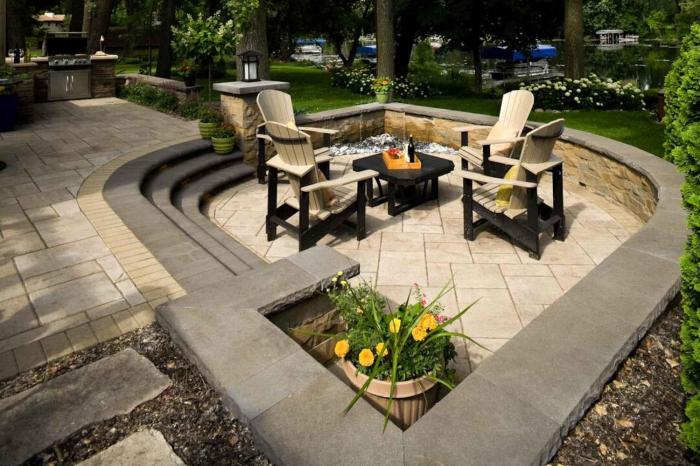
Patio clocks, while seemingly simple, require careful material selection and construction to withstand the elements and maintain their aesthetic appeal. The choice of materials directly impacts the clock’s durability, longevity, and overall value proposition. Different materials offer distinct advantages and disadvantages in terms of cost, maintenance, and aesthetic qualities.Patio clocks, particularly those intended for outdoor use, face rigorous environmental challenges.
Exposure to sunlight, rain, and temperature fluctuations can quickly degrade poorly chosen materials. Consequently, understanding the properties of various materials and the intricacies of their construction is crucial for ensuring the clock’s long-term performance.
Common Patio Clock Materials
The selection of materials for patio clocks significantly influences their durability, aesthetics, and overall value proposition. Common choices include cast iron, aluminum, stainless steel, and various types of wood. Each material presents a unique set of characteristics.
Cast Iron
Cast iron patio clocks are known for their robust construction and traditional aesthetic. Their inherent strength and ability to withstand harsh weather conditions make them a popular choice for outdoor use. However, cast iron clocks can be heavy and susceptible to rust if not properly maintained. Special protective coatings are often applied to enhance their resistance to corrosion.
Aluminum
Aluminum clocks are a lighter alternative to cast iron, offering good weather resistance. Their lightweight nature makes them easier to install and maintain. Aluminum’s inherent reflectivity can also enhance the clock’s aesthetic appeal. However, aluminum can be prone to scratches or dents, and its susceptibility to warping under extreme temperature fluctuations must be considered.
Stainless Steel
Stainless steel patio clocks are known for their exceptional durability and corrosion resistance. They are resistant to rust and maintain their appearance over time, making them an excellent choice for outdoor environments. However, stainless steel clocks can be more expensive than those made from other materials. Their polished finish, while elegant, can reflect sunlight, which might be undesirable for certain locations.
Wood
Wood patio clocks often possess a rustic or traditional aesthetic. The beauty of the wood grain can complement various garden settings. However, wood is susceptible to moisture damage and insect infestations. Wood clocks require regular maintenance, including sealing with weather-resistant finishes to prolong their lifespan.
Construction Techniques
The construction techniques used in patio clocks directly affect their durability and longevity. For instance, cast iron clocks often involve intricate casting processes to achieve the desired shape and design. Aluminum clocks might use precision machining to create complex patterns or intricate designs. Stainless steel clocks, with their focus on durability, might utilize welding or specialized fastening methods.
Water Resistance and Corrosion Resistance
Water resistance and corrosion resistance are paramount for patio clocks destined for outdoor use. Materials like stainless steel and properly coated cast iron excel in this regard. Wood clocks, on the other hand, require meticulous sealing to prevent moisture penetration and subsequent decay. Aluminum clocks can also be susceptible to corrosion if not treated with protective coatings.
Proper sealing and finishing are crucial for all materials to maximize their lifespan.
Material Suitability for Outdoor Use
| Material | Properties | Suitability for Outdoor Use |
|---|---|---|
| Cast Iron | Strong, durable, traditional aesthetic; susceptible to rust | Good, but requires regular maintenance |
| Aluminum | Lightweight, weather-resistant, reflective; prone to scratches | Good, but needs protective coatings |
| Stainless Steel | Highly durable, corrosion-resistant, elegant; more expensive | Excellent |
| Wood | Aesthetically pleasing, rustic; susceptible to moisture and insects | Good with proper sealing and maintenance |
Patio Clock Functionality and Features
Patio clocks, increasingly popular outdoor décor, transcend their simple timekeeping function. Beyond basic time display, modern designs integrate a spectrum of features catering to diverse user preferences and lifestyles. This section explores the array of functionalities and features, analyzing their impact on the overall user experience.The choice between analog and digital displays significantly influences the aesthetics and practicality of a patio clock.
The tactile experience of analog clocks, with their sweeping hands and visual representation of time, often appeals to traditional tastes, while digital displays offer greater clarity and functionality, particularly for users accustomed to numerical displays.
Time Display Mechanisms
Patio clocks utilize analog and digital mechanisms to display time. Analog clocks, featuring moving hands, evoke a classic aesthetic. Digital clocks, presenting time in numerals, provide a clear and precise display. The choice between these mechanisms depends on personal preference and the desired aesthetic.
Features Offered by Different Models
Various features enhance the functionality and appeal of patio clocks. Luminous hands ensure visibility in low-light conditions, enhancing usability during evening hours. Alarm functions provide a practical tool for setting reminders or scheduling events. Chime functions add an auditory element, transforming the clock into a subtle source of sound, complementing the ambiance of the outdoor space.
Examples of Patio Clocks with Unique Features
Some models combine multiple features, offering a compelling user experience. A clock with a built-in thermometer, for example, provides additional practical information. Solar-powered patio clocks offer environmentally friendly operation, reducing the need for batteries. A model with both a digital display and an alarm function is ideal for individuals seeking both precision and practical time management tools.
Comparison of Analog and Digital Displays
Analog clocks offer a classic, visually appealing aesthetic. Their hands’ movement provides a sense of time’s passage, but may be less convenient for those needing precise readings. Digital clocks offer straightforward time reading, but their design may not always complement the outdoor setting as effectively as analog clocks. Consider the surrounding patio design and the user’s needs when choosing between these options.
Impact of Specific Features on User Experience
Luminous hands enhance usability in low-light conditions, making it easier to check the time at night. An alarm function facilitates scheduling and reminders, making the clock a practical tool. Chimes add a pleasing auditory element, enriching the patio ambiance. These features, integrated into the design, collectively contribute to a more fulfilling user experience.
Patio Clock Placement and Installation
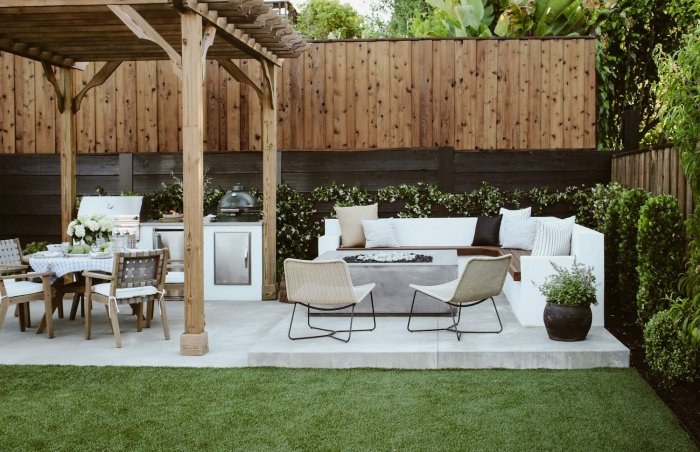
Strategic placement of a patio clock is crucial for maximizing its aesthetic appeal and functionality. Proper installation ensures longevity and prevents damage, while thoughtful positioning enhances the overall ambiance of the outdoor space. Considerations include the clock’s style, size, and the surrounding environment, influencing its integration into the patio or garden.Effective placement of a patio clock is not merely about aesthetics.
It’s a critical aspect of harmonizing the clock’s function with the surrounding environment. Understanding the optimal placement ensures the clock serves its intended purpose and enhances the outdoor space. Careful consideration of the environment’s elements and the clock’s design ensures long-term functionality and visual appeal.
Best Practices for Different Outdoor Environments
Placement strategies vary based on the outdoor setting. Gardens, patios, and decks each demand tailored approaches. A clock placed in a bustling garden should be more visible than one in a secluded patio area.
- Gardens: Clocks placed in gardens should be easily visible from walkways and seating areas, allowing for effortless timekeeping. Consider a location with adequate sunlight and minimal obstructions for optimal visibility. A clock mounted on a tall post or a prominent wall section within the garden will ensure it’s noticed and easy to read. For example, a large, ornate clock on a sturdy post within a formal garden provides a focal point and enhances the overall aesthetic.
- Patios: Patio clocks often serve as a decorative element. Positioning them near seating areas or dining tables ensures easy readability. Consider the existing furniture arrangement and focal points of the patio when selecting a location. A compact, modern clock mounted on a wall or a stylish pedestal might complement the patio’s aesthetic, while a larger, traditional clock might provide a striking contrast.
A well-placed clock can enhance the ambience of an outdoor dining experience.
- Decks: Clocks on decks benefit from locations that provide clear visibility from multiple points. Positioning a clock near a railing or a prominent wall ensures it’s visible from the surrounding area. A functional and visually appealing clock on a deck should complement the surrounding outdoor furniture and enhance the overall outdoor living experience. A smaller, more contemporary clock on a deck railing might offer a simple elegance.
Considerations for Mounting Options
The mounting method significantly impacts the clock’s longevity and visual appeal. Choosing the right mounting strategy ensures the clock withstands the elements and complements the outdoor structure.
- Wall Mounting: Wall mounting is a common and versatile option. The clock’s size and weight dictate the wall’s structural capacity. Ensure the wall is sturdy enough to support the clock. Consider the aesthetic impact of the mounting style. For example, a large, traditional clock might benefit from a more prominent wall mount, whereas a smaller, modern clock might be seamlessly integrated into a wall-mounted shelf.
- Post Mounting: Post mounting offers a distinct visual appeal, especially in gardens or decks. The post’s material and size must support the clock’s weight. Select a location that balances the clock’s prominence with the surrounding landscape. A post-mounted clock in a garden can add a touch of charm, while a similar placement on a deck can provide a functional and visually appealing addition.
- Other Structures: Mounting on other structures, such as gazebos or pergolas, allows for unique integration. The structure’s design and weight-bearing capacity are critical considerations. The clock’s design should harmonize with the architectural style of the structure. A clock mounted on a pergola in a Mediterranean-style garden can enhance the overall theme.
Recommended Placement Strategies
Different patio clock styles necessitate varying placement strategies. A table outlining recommended approaches is presented below.
| Clock Style | Recommended Placement |
|---|---|
| Traditional | Walls, posts, or pedestals; prominent locations; larger sizes. |
| Modern | Walls, railings, or shelves; integration with modern architecture; smaller or medium sizes. |
| Contemporary | Walls or posts; sleek design; smaller sizes; can be integrated with modern outdoor furniture. |
| Rustic | Posts or beams; complements natural settings; medium or large sizes. |
Importance of Environmental Considerations
The surrounding environment significantly influences the clock’s placement. Factors like sunlight, shade, and wind exposure must be considered. Careful consideration of these factors ensures the clock functions optimally and maintains its aesthetic appeal.
- Sunlight: Sufficient sunlight ensures the clock’s face is easily readable. Avoid locations with heavy shade, which can obscure the time display.
- Shade: Adequate shade protects the clock from extreme temperature fluctuations, preventing damage to the materials. Consider locations that offer protection from intense sun.
- Wind Exposure: High wind exposure can damage the clock or cause it to malfunction. Choose locations with minimal wind exposure for optimal performance and longevity.
Patio Clock Maintenance and Care
Preserving the aesthetic appeal and functionality of patio clocks hinges on diligent maintenance. Neglecting upkeep can lead to premature deterioration, impacting both the clock’s visual appeal and its precision. Proper care extends the lifespan of these decorative and practical timepieces, ensuring they continue to grace outdoor spaces for years to come.Maintaining the integrity of patio clocks involves a multifaceted approach.
Protecting them from the elements, understanding the specific care requirements for various materials, and addressing any emerging issues promptly are crucial. Regular cleaning and inspections, coupled with preventative measures, are essential for sustained performance and longevity.
Cleaning Different Patio Clock Materials
Regular cleaning is vital for maintaining a patio clock’s pristine condition and preventing the accumulation of grime and dirt. Different materials necessitate varying cleaning methods. For instance, wooden clocks may benefit from gentle wiping with a damp cloth, followed by a thorough drying. Metal clocks, conversely, might require a specialized cleaner for specific finishes, such as stainless steel or wrought iron.
Carefully review the manufacturer’s instructions for specific cleaning guidance.
Protecting Patio Clocks from Weather Damage
Protecting patio clocks from the elements is paramount. Exposure to harsh weather conditions, including rain, sun, and wind, can accelerate material degradation. Ensuring the clock is properly positioned, sheltered from direct sunlight, and shielded from heavy rain is crucial. Installing the clock in a covered area or providing a weatherproof enclosure can further protect it from damage.
Protecting the clock during inclement weather is essential to its long-term preservation.
Addressing Common Maintenance Issues
Clock malfunctions are common, but proactive maintenance can often prevent or mitigate such issues. Addressing problems early, such as a broken hand or a malfunctioning mechanism, can often be resolved without extensive repair. When faced with issues like a stuck or broken hand, consider carefully disassembling the clock only as a last resort. Consult with a qualified clock repair specialist if necessary, particularly for intricate mechanisms.
Importance of Regular Maintenance
Regular maintenance is crucial for preserving the aesthetic value and functionality of patio clocks. Regular checks and cleanings prevent the accumulation of dirt, dust, and grime, which can damage the clock’s internal workings over time. Addressing any issues early can also avoid significant repair costs down the line. This proactive approach ensures the clock’s longevity and optimal performance.
Step-by-Step Cleaning and Maintenance Guide
| Clock Material | Cleaning Method | Maintenance Tips |
|---|---|---|
| Wood | Wipe with a soft, damp cloth. Dry thoroughly. Avoid harsh chemicals or abrasive cleaners. | Apply a protective sealant periodically to prevent moisture damage. |
| Metal (e.g., Stainless Steel, Wrought Iron) | Use a specialized metal cleaner, or a mild dish soap solution. Rinse thoroughly and dry completely. | Inspect for rust or corrosion regularly and address promptly. |
| Glass | Use a soft cloth and glass cleaner. Avoid harsh chemicals. | Ensure the glass is clean and free from any obstructions that might affect the clock’s operation. |
| Composite Materials | Follow manufacturer’s instructions. Gentle cleaning with a damp cloth is usually sufficient. | Check for signs of damage or wear and address any issues immediately. |
Thorough cleaning, protection from the elements, and prompt resolution of maintenance issues contribute to the clock’s longevity and continued enjoyment.
Patio Clock Trends and Styles
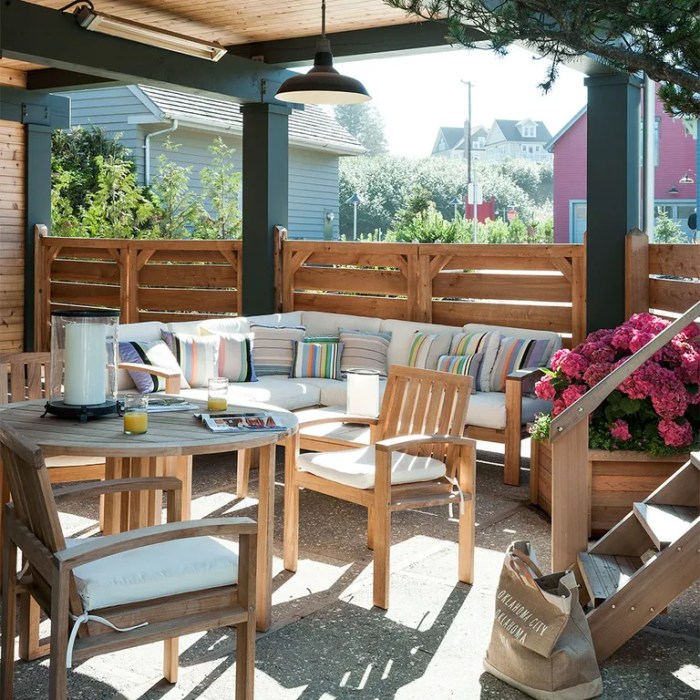
Patio clocks, once a simple functional element, are increasingly becoming design statements for outdoor living spaces. Their evolution mirrors broader design trends, moving from purely utilitarian to aesthetically pleasing and integrated components of a sophisticated outdoor environment. This shift is driven by a desire for personalized and visually appealing outdoor spaces that extend the comfort and style of indoor living.Contemporary patio clock designs often blend practicality with artistic expression, showcasing a variety of materials, styles, and functionalities.
The choice of a patio clock is no longer just about timekeeping; it’s about selecting a piece that complements the overall aesthetic and enhances the ambiance of the outdoor area. This is evident in the growing popularity of bespoke designs and customized options, allowing homeowners to curate their outdoor spaces with unique and personalized touches.
Current Trends in Patio Clock Design
Current trends in patio clock design emphasize a shift towards minimalist aesthetics, natural materials, and intricate details. The emphasis is on designs that blend seamlessly into the surrounding environment, whether it’s a modern or traditional garden setting. This is particularly evident in the increasing use of natural materials like wood, stone, and metal in contemporary clock designs.
Evolution of Patio Clock Styles Over Time
Patio clock styles have evolved from basic, functional timepieces to more elaborate and decorative pieces. Early patio clocks were often simple, robust designs crafted primarily from metal, focusing on functionality rather than aesthetics. As outdoor living spaces gained prominence and design trends shifted, patio clocks began incorporating decorative elements, incorporating patterns, colors, and materials that reflected the broader design aesthetic of the time.
For instance, the rise of Art Deco in the 1930s and 1940s saw patio clocks featuring geometric shapes and bold colors.
Popular Materials and Styles in Current Design
Natural materials, such as weathered wood, reclaimed wood, and stone, are highly sought-after for their rustic charm and connection to nature. These materials are often used in conjunction with metal elements, such as wrought iron or brushed steel, to create a balance between natural and industrial aesthetics. Contemporary styles often lean towards clean lines and minimalist designs, emphasizing functionality and elegance.
More ornate styles, often incorporating intricate carvings or painted details, are also gaining popularity, particularly in gardens with a more traditional or historical feel.
How Patio Clocks Reflect Broader Design Trends
Patio clocks, as a key element of outdoor living spaces, are significantly influenced by broader design trends. The shift towards sustainability and eco-conscious design is reflected in the use of reclaimed and natural materials. Similarly, the emphasis on minimalist aesthetics in interior design is mirrored in the sleek and modern lines found in many contemporary patio clocks.
Examples of Recent Patio Clock Designs
A recent trend is the use of oversized, statement clocks in outdoor settings. These clocks, often featuring large numerals or elaborate designs, act as focal points, adding a dramatic touch to the landscape. Another example is the use of custom-designed clocks that reflect the homeowner’s personality and outdoor space. These clocks are often made from locally sourced materials or handcrafted with unique details.
These designs not only enhance the visual appeal of the patio but also become a distinctive feature of the property.
Patio Clock Budget and Price Ranges
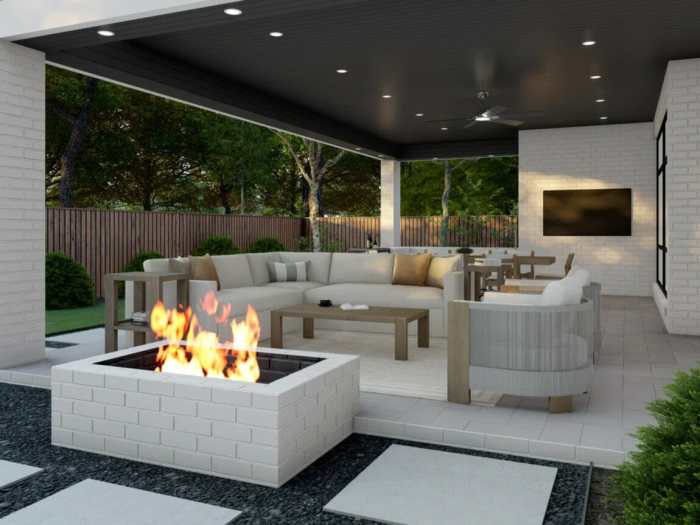
Patio clocks, a staple of outdoor décor, come in a diverse array of styles, materials, and features, each contributing to their final price. Understanding the factors influencing these costs is crucial for selecting a clock that aligns with both aesthetic preferences and budget constraints. The price range for patio clocks can vary significantly, making informed comparisons essential for the discerning buyer.The cost of a patio clock is a complex interplay of several elements.
Materials, particularly the choice of metal, wood, or composite, significantly impact the price. Similarly, intricate detailing, advanced features like automatic time-setting mechanisms, or high-quality craftsmanship contribute to a higher price point. Location and availability also influence the market price, as with other goods.
Price Ranges for Different Patio Clock Models
Patio clock prices span a considerable spectrum, influenced by the complexity of design, the quality of materials, and the inclusion of advanced features. Entry-level models, typically constructed from less expensive materials and offering basic functionality, are often found in the $50-$150 range. Mid-range clocks, often crafted from more durable materials with enhanced features like weather resistance or intricate detailing, can cost between $150 and $400.
High-end models, characterized by premium materials, exceptional craftsmanship, and advanced features like solar power or intricate movements, typically exceed $400.
Comparison of Materials and Features
The choice of materials directly affects the price of a patio clock. Cast iron clocks, while durable, often come with a higher price tag compared to aluminum or composite options. Similarly, clocks with intricate carvings or hand-painted designs command a premium. Features like automatic time setting, backlit displays, or additional functionality, such as thermometers or barometers, add to the overall cost.
Factors Affecting Patio Clock Pricing
Several factors influence the final price of a patio clock. Material cost, labor expenses for intricate craftsmanship, the complexity of the clock’s design, and the presence of advanced features like solar-powered movements or remote control adjustments all contribute to the final price. The geographic location and availability of the clock also play a role, as local market forces can impact pricing.
Price Points for Various Patio Clock Types
The type of patio clock directly correlates with its price range. Traditional designs, often made of cast iron or heavy-duty metal, tend to fall within the mid-range or high-end price brackets. Contemporary or modern styles, often constructed from aluminum or composite materials, can be found at more affordable price points. Digital clocks, while simpler, can still vary in price depending on features like backlight or remote control.
Table Comparing Patio Clock Types and Approximate Price Ranges
| Patio Clock Type | Approximate Price Range |
|---|---|
| Traditional (Cast Iron/Metal) | $150 – $600+ |
| Contemporary (Aluminum/Composite) | $75 – $400 |
| Digital (Basic) | $50 – $200 |
| Digital (Advanced Features) | $150 – $500+ |
Patio Clock Safety Considerations
Patio clocks, while aesthetically pleasing additions to outdoor spaces, require careful handling and installation to prevent accidents. Proper safety precautions mitigate potential hazards, ensuring both the clock and the surrounding environment remain secure and risk-free. Neglecting these considerations can lead to damage, injury, or even property damage.Installing and maintaining patio clocks safely is paramount. This involves understanding potential hazards associated with different clock types, implementing secure installation practices, and adhering to preventative maintenance strategies.
A comprehensive approach to safety is crucial to ensuring the longevity and enjoyment of these timepieces.
Handling and Installation Precautions
Patio clocks, especially larger models, can be heavy. Using appropriate lifting techniques, such as employing a partner for heavy clocks, is critical. Improper lifting can lead to strains, sprains, or other injuries. Always use proper lifting equipment or assistance when handling clocks exceeding a certain weight. Verify the weight capacity of any lifting tools employed.
Potential Hazards Associated with Different Patio Clock Types
Glass-faced clocks, particularly those with delicate glass components, pose a risk of breakage during handling or installation. Clocks with intricate metalwork may have sharp edges that can cause cuts or scrapes. Clocks with moving parts, like those with mechanical mechanisms, need careful handling to prevent damage to the components. Heavy or poorly secured clocks can also pose a tripping hazard, leading to falls.
Safe Installation Practices
Ensure the mounting surface is strong enough to support the weight of the clock. Using appropriate anchors or brackets for mounting is essential. Verify the anchoring system’s capacity before attaching the clock. Check the clock’s installation instructions for specific guidelines. If the clock is mounted on a wall, make sure the wall is structurally sound and able to support the weight of the clock.
Ensure proper ventilation if the clock is mounted in a confined space.
Safety Measures for Secure Mounting
Employing suitable anchoring methods is critical for secure mounting. Use appropriate screws, bolts, or brackets for the specific mounting material. Check the clock’s installation instructions for the correct size and type of hardware. Ensure the mounting hardware is compatible with the mounting surface and the clock’s weight. Double-check all connections to guarantee the clock is firmly fixed.
Install the clock at a height that prevents children from reaching it.
Summary Table of Safety Tips
| Clock Type | Handling Precautions | Installation Precautions | Potential Hazards |
|---|---|---|---|
| Glass-faced | Handle with care, avoid dropping, use protective gloves. | Ensure secure mounting, use protective padding where necessary. | Glass breakage, potential injury from sharp edges. |
| Metal-cased | Inspect for sharp edges, use protective gloves. | Use appropriate anchors, check wall stability. | Cuts or scrapes from sharp edges. |
| Mechanical | Handle carefully, avoid jarring. | Ensure all parts are correctly aligned during installation. | Damage to internal mechanisms, potential injury from moving parts. |
| Heavy/Large | Use lifting equipment or assistance if needed. | Use strong anchors, secure the clock firmly. | Tripping hazard, potential damage to the mounting surface if not supported adequately. |
Patio Clock Visual Appeal and Aesthetics
Patio clocks, beyond their practical function, play a crucial role in enhancing the visual appeal of outdoor spaces. Their design elements, materials, and placement choices can significantly impact the overall aesthetic, adding a touch of charm and personality to patios, gardens, and courtyards. Careful consideration of these factors can transform a simple outdoor area into a welcoming and visually engaging space.Patio clocks are more than just time-telling devices; they are architectural accents that contribute to the overall ambiance.
Selecting a clock that complements the existing style of the outdoor space, whether it’s modern, traditional, or rustic, is key to achieving a harmonious aesthetic. Careful consideration of color, shape, and size are crucial to ensuring the clock blends seamlessly with its surroundings, rather than standing out jarringly.
The Role of Clock Design in Enhancing Aesthetics
Patio clocks come in a wide array of designs, from classic to contemporary. The choice of design significantly influences the aesthetic impact. A traditional grandfather-style clock, for instance, might suit a formal garden, while a sleek, minimalist design would complement a modern patio. The clock’s design should echo the architectural style of the home and surrounding landscaping.
Clocks with intricate detailing or unique shapes can add a touch of artistry to the space.
Complementary Elements for a Harmonious Look
The surrounding environment plays a critical role in the success of a patio clock’s aesthetic impact. The color palette of the landscaping, the materials used for the patio furniture, and the architectural style of the home all contribute to the overall look. A clock that clashes with these elements will detract from the overall aesthetic. Matching the clock’s color to the surrounding plants, for example, or using materials that complement the existing patio design, will ensure a harmonious look.
Examples of Successful Clock Placements
Strategic placement is vital for maximizing a patio clock’s aesthetic impact. A clock placed directly against a wall or fence will create a more focused focal point. Alternatively, positioning a clock on a pergola or other structure can draw the eye upwards and add visual interest to the overall design. The surrounding foliage or architectural elements can also be used to frame the clock, creating a sense of depth and balance.
Table of Successful Patio Clock Placements
| Outdoor Setting | Clock Style | Placement Notes |
|---|---|---|
| Formal Garden | Traditional Grandfather Clock | Positioned on a raised platform, framed by mature shrubs. |
| Modern Patio | Sleek, Minimalist Clock | Hung on a modern metal fence, with contemporary landscaping. |
| Rustic Courtyard | Wooden Wall Clock with intricate detailing | Mounted on a rustic wooden wall, surrounded by climbing vines and flowers. |
| Coastal Patio | Whimsical, nautical-themed Clock | Hung on a pergola, with coastal-inspired decor. |
Adding Character and Charm
Patio clocks can inject character and charm into outdoor spaces. A well-chosen clock can serve as a focal point, drawing attention to the beauty of the garden or patio. The right clock can personalize a space, reflecting the owner’s taste and personality. It can create a sense of warmth and welcome, inviting guests to enjoy the outdoors.
Last Point
In conclusion, patio clocks offer a blend of practicality and aesthetic appeal. Choosing the right clock involves careful consideration of style, size, materials, and functionality. This guide provides a roadmap for navigating the diverse options, enabling you to select a timepiece that seamlessly integrates into your outdoor space and enhances its beauty. Ultimately, the perfect patio clock is a personal choice, reflecting your individual taste and outdoor style.
