Motivational wall art transcends mere décor; it’s a powerful tool for fostering positivity and personal growth. From inspiring quotes to vibrant abstract pieces, these visual statements can profoundly impact mood and mindset. Choosing the right art can cultivate a space that reflects your values and goals, ultimately boosting your well-being and inspiring daily action.
This exploration delves into the diverse world of motivational wall art, examining its styles, target audiences, design elements, placement strategies, materials, and the messages they convey. Understanding these factors is crucial for creating a personalized and impactful space.
Types of Motivational Wall Art
Motivational wall art transcends mere decoration; it serves as a visual reminder of personal values and aspirations. This dynamic form of interior design subtly influences mood and fosters a positive environment, impacting both personal well-being and productivity. Its diverse styles and materials offer a unique way to express individual tastes and create a space that resonates with personal goals.Motivational wall art often embodies core values like resilience, self-improvement, and positivity.
The variety of styles and materials used reflects a desire to connect these values with aesthetic appeal, thereby creating functional and beautiful home décor.
Styles of Motivational Wall Art
Various styles of motivational wall art cater to different aesthetics and preferences. Abstract designs, for instance, often use vibrant colors and unique shapes to evoke feelings of creativity and freedom. Inspirational quotes, another popular style, feature powerful phrases and insightful messages, fostering a sense of purpose and self-belief. Nature-themed wall art, employing elements like landscapes and flora, can promote tranquility and connection with the natural world.
Geometric wall art, with its structured patterns and clean lines, evokes a sense of order and clarity. The choice of style significantly influences the overall atmosphere and message conveyed by the art.
Materials Used in Motivational Wall Art
Motivational wall art is crafted from a wide array of materials, each contributing to the artwork’s visual appeal and longevity. Wood, with its natural warmth and texture, creates a grounded and inviting aesthetic, particularly suited to nature-themed or abstract pieces. Metal, with its sleek and modern feel, complements geometric and inspirational quote art, adding a touch of sophistication and durability.
Canvas, a versatile option, allows for various painting techniques and styles, making it adaptable to different motivational themes. Acrylic, a popular choice for its vibrant colors and smooth finish, is well-suited for abstract designs and inspirational quotes, creating a bold and eye-catching statement. The selection of material significantly impacts the piece’s overall aesthetic and feel.
Common Themes in Motivational Wall Art
Motivational wall art often revolves around themes that inspire personal growth and well-being. Self-improvement is a common theme, featuring imagery or quotes that encourage learning, growth, and development. Success, a prevalent motif, often depicts triumph, achievement, and accomplishment, fostering ambition and a proactive mindset. Resilience, another recurring theme, portrays overcoming obstacles and challenges, reminding viewers of their inner strength and ability to persevere.
Positivity is a consistent theme, featuring images and messages that promote optimism, joy, and a hopeful outlook. These themes underscore the art’s purpose to encourage personal and professional fulfillment.
Comparison of Different Styles
The aesthetics of different motivational wall art styles vary significantly. Abstract art, with its fluidity and lack of rigid form, encourages introspection and creative thinking. Inspirational quotes, often minimalist in design, provide concise and powerful messages. Nature-themed art promotes a connection with the natural world, evoking serenity and peace. Geometric art, with its structured patterns, emphasizes order and clarity, creating a sense of focus.
The contrasting aesthetics highlight the diverse ways to express motivational themes through visual art.
Table of Motivational Wall Art Styles
| Style | Materials | Themes | Aesthetics |
|---|---|---|---|
| Abstract | Canvas, Acrylic, Wood | Self-improvement, Creativity, Freedom | Fluid, Vibrant, Introspective |
| Inspirational Quotes | Metal, Canvas, Wood | Success, Resilience, Positivity | Concise, Minimalist, Empowering |
| Nature-themed | Wood, Canvas, Acrylic | Tranquility, Connection with Nature, Peace | Serene, Natural, Earthy |
| Geometric | Metal, Canvas, Acrylic | Order, Clarity, Focus | Structured, Modern, Clean |
Target Audience for Motivational Wall Art
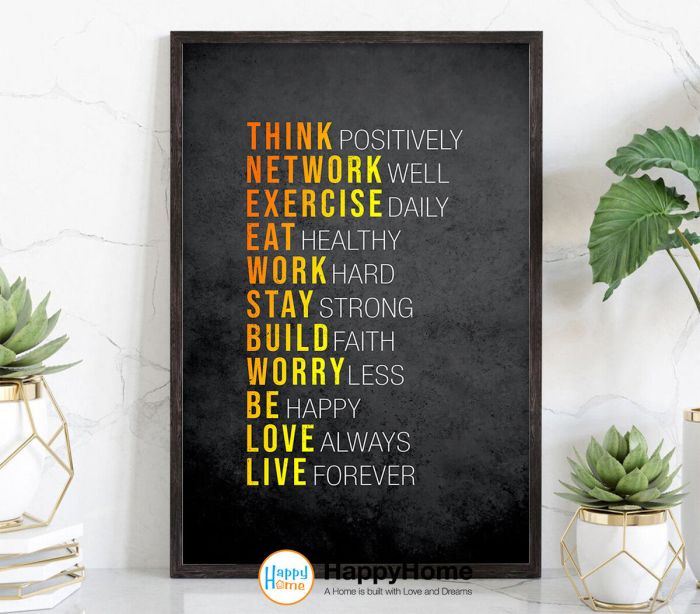
Motivational wall art, a burgeoning segment of the home décor market, caters to a diverse range of individuals seeking to uplift their spirits and enhance their living spaces. Understanding the demographics and motivations behind these purchases is crucial for retailers and artists alike to effectively target the right consumers. This analysis delves into the specific audience segments and the emotional and psychological factors driving their choices.Beyond aesthetic appeal, motivational wall art often serves a deeper purpose, acting as a daily reminder of personal aspirations and values.
The art’s ability to evoke positive emotions and inspire action makes it a compelling product for a wide range of individuals, across various age groups and life stages.
Demographics of Likely Purchasers
Motivational wall art resonates with a broad spectrum of demographics. Millennials and Gen Z, known for their entrepreneurial spirit and desire for self-improvement, are likely early adopters. They often seek visual affirmations to reinforce their personal goals and ambitions. Similarly, professionals navigating career transitions or seeking to foster a positive work environment are also strong candidates. Furthermore, individuals experiencing life transitions, such as new parenthood or major relocation, may find motivational art particularly helpful in adapting to change.
Motivations Behind Purchasing by Age Group
The motivations for purchasing motivational wall art vary significantly across age groups. Younger generations, typically driven by self-discovery and personal branding, may favor art reflecting their aspirations and values. Older generations, seeking a sense of accomplishment and legacy, may gravitate towards pieces that celebrate life’s milestones and personal achievements. Ultimately, the art’s ability to connect with individual aspirations is key.
Emotional Needs Addressed
Motivational wall art serves to address a wide range of emotional needs. For those experiencing stress or uncertainty, the art can provide a calming and reassuring presence. For individuals seeking inspiration and direction, the pieces can act as a daily source of motivation. Moreover, the art can serve as a focal point for reflection and personal growth, facilitating self-evaluation and the establishment of personal goals.
The pieces offer a tangible representation of the positive emotions they seek to cultivate.
Psychological Effects on Viewers
The psychological impact of motivational wall art on viewers is multifaceted. Regular exposure to inspiring imagery can foster a positive mindset, encouraging self-belief and perseverance. The art can also act as a visual reminder of personal values and goals, leading to increased self-awareness and a sense of purpose. Furthermore, the presence of motivational art can enhance feelings of well-being and productivity in a space.
Visual affirmations are a powerful tool for fostering positive emotions and attitudes.
Correlation Between Wall Art Styles and Target Audiences
| Wall Art Style | Potential Target Audience | Motivational Focus |
|---|---|---|
| Abstract with bold colors | Millennials, Gen Z | Creativity, innovation, individuality |
| Inspirational quotes and typography | Wide range (Millennials, Gen X, Boomers) | Self-improvement, goal setting, resilience |
| Nature-inspired imagery | Individuals seeking tranquility, connection with nature | Peace, balance, harmony |
| Abstract art with symbolic imagery | Individuals seeking deeper meaning, personal growth | Self-discovery, introspection |
Design Elements in Motivational Wall Art
Motivational wall art transcends mere decoration; it’s a powerful tool for fostering positive emotions and inspiring action. Careful consideration of design elements is crucial in achieving this goal. The right combination of colors, typography, and composition can significantly impact the viewer’s experience, transforming a blank wall into a source of daily encouragement.Effective motivational wall art isn’t simply about pretty pictures; it’s about carefully crafting a visual narrative that resonates with the intended audience.
This involves understanding the psychology of color, the impact of font choices, and the strategic use of image size and composition to create a truly motivational experience. The art must speak to the target audience’s needs and aspirations, encouraging them to embrace positive change.
Color Psychology in Motivational Art
Color plays a significant role in evoking specific emotions and associations. Understanding color psychology is paramount in designing motivational wall art that effectively communicates the desired message. Different hues can inspire feelings of optimism, determination, or tranquility, influencing the viewer’s emotional response and, consequently, their motivation.
- Warm colors like red and orange are often associated with energy, excitement, and passion. These colors can be effective in motivating action and promoting a sense of urgency.
- Cool colors like blue and green are frequently linked to calmness, tranquility, and serenity. They can be ideal for promoting relaxation and focus, fostering a sense of well-being that underpins motivation.
- Neutral colors like beige and gray can create a sense of stability and sophistication. They can be effective in conveying a message of resilience and composure, crucial elements in building motivation.
Typography and Font Choices
The chosen font significantly impacts the message conveyed by the motivational wall art. A bold, sans-serif font might project strength and confidence, while a more elegant, serif font could suggest wisdom and stability. Font size and style are crucial in ensuring the message is easily readable and impactful.
- Legibility is paramount. The font should be clear and easy to read, regardless of the size of the art piece. A visually appealing, but unreadable font will fail to deliver its intended message.
- Font style should complement the message. A font that conveys strength and decisiveness will be more appropriate for motivational quotes focused on achievement than one that evokes gentleness and empathy.
Image Size and Composition
The size and composition of the motivational wall art directly affect its visual impact. A large, bold piece can make a powerful statement, while a smaller, more intimate piece might offer a more personalized message. Careful composition can draw the viewer’s eye to the key elements of the design.
- A larger piece allows for a more impactful visual statement, which can be ideal for conveying a message of grand ambition or large-scale personal change.
- Smaller pieces can be ideal for creating a sense of intimacy or personalization, perhaps promoting specific goals or self-improvement strategies.
- The use of imagery within the composition needs careful consideration. Images should complement the motivational message and not distract from it. Balance and symmetry in the arrangement can contribute to the overall impact.
Color, Font, and Motivational Message
The following table demonstrates the relationship between color, font, and motivational message. This illustrates how careful consideration of these design elements can amplify the intended impact of the wall art.
| Color | Font | Motivational Message |
|---|---|---|
| Red | Bold, sans-serif | Embrace bold action; achieve your aspirations with determination. |
| Blue | Serif, elegant | Cultivate inner peace; focus on tranquility and achieve your goals with unwavering determination. |
| Beige | Modern, sans-serif | Build resilience; navigate life’s challenges with unwavering composure. |
Placement and Styling of Motivational Wall Art
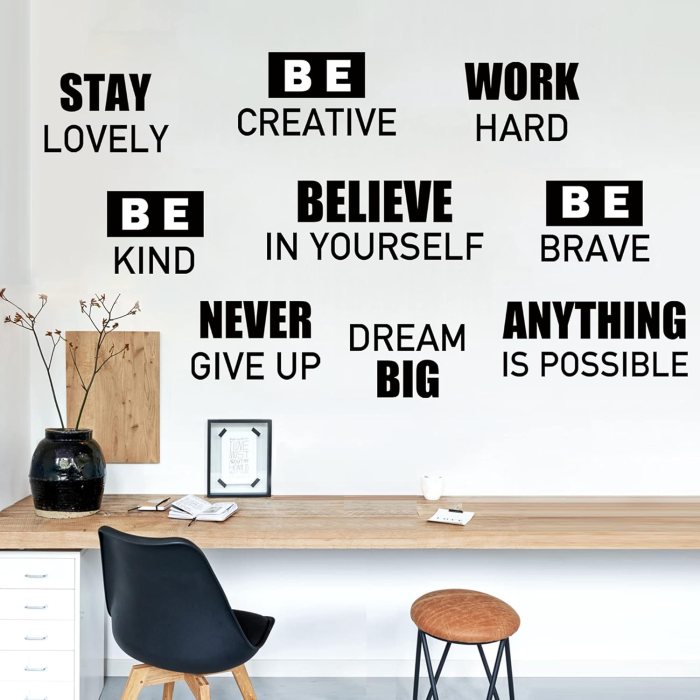
Motivational wall art, strategically placed and styled, can transform a space from functional to inspiring. It’s not just about aesthetics; it’s about creating an environment that fosters productivity, positivity, and a sense of well-being. The right placement and styling can amplify the message of the art, resonating with the intended audience and enhancing the overall ambiance of the room.Effective placement and thoughtful styling are crucial in leveraging the full potential of motivational wall art.
The goal is not just to hang a piece of art, but to weave it seamlessly into the room’s existing décor, creating a synergistic effect that boosts the desired emotional response. This involves considering the room’s function, the art’s message, and the overall aesthetic.
Positioning in Different Rooms
Optimal positioning depends on the room’s purpose and the intended mood. In a living room, motivational art should be placed where it’s visible but not overwhelming. A gallery wall featuring smaller pieces can create a dynamic focal point, or a single, impactful piece can serve as a statement piece. In a bedroom, subtle, calming pieces are ideal, placed in a way that complements the room’s restfulness.
For an office, motivational art should be situated in a prominent location that inspires focus and creativity. A single, bold piece or a cluster of smaller, related prints can create a visually stimulating workspace.
Creating Ambiance with Wall Art
Wall art plays a pivotal role in setting the ambiance of a room. For instance, a living room featuring a collection of abstract prints could evoke a sense of modern sophistication and creativity. A bedroom decorated with inspirational quotes and nature scenes can cultivate a tranquil and rejuvenating atmosphere. A vibrant office with motivational posters can create an environment of energy and focus.
By carefully selecting the artwork and its placement, you can significantly impact the overall feeling of the room.
Balancing Motivational Wall Art with Other Décor
The art should complement, not clash with, the existing décor. For example, a minimalist living room might benefit from a single, clean-lined motivational print, while a bohemian-style bedroom could feature a gallery wall of intricately designed posters. The color palette, style, and overall theme of the existing décor should be considered when choosing and placing motivational wall art.
This harmony ensures a cohesive and visually appealing space.
The Role of Lighting
Proper lighting is essential for showcasing the motivational wall art. Natural light can enhance the colors and textures of the artwork, while strategically placed lamps or spotlights can create a warm and inviting atmosphere, highlighting the art’s message. The intensity and direction of light can subtly alter the perception of the art, making it more impactful. For instance, a focused spotlight on a motivational quote can draw attention to its key message.
Styling Options
Different styling options offer varying visual effects.
- Gallery Walls: A gallery wall, a collection of different-sized and themed pieces, can create a dynamic focal point, perfect for showcasing diverse motivational messages. The art should be arranged in a way that visually complements the room’s aesthetic, taking into account the artwork’s colors and sizes.
- Single Piece: A single, large-scale piece can act as a powerful statement piece. Choosing a large piece allows for a more dramatic effect, making a strong visual impact. It should be chosen carefully, considering its message and its ability to complement the overall décor.
- Cluster: A cluster of smaller motivational prints or posters can create a visually stimulating and impactful display. Arranging the pieces in a cohesive manner enhances the message, creating a unified visual narrative. It’s an excellent option for showcasing a collection of quotes or affirmations.
Materials and Production Methods
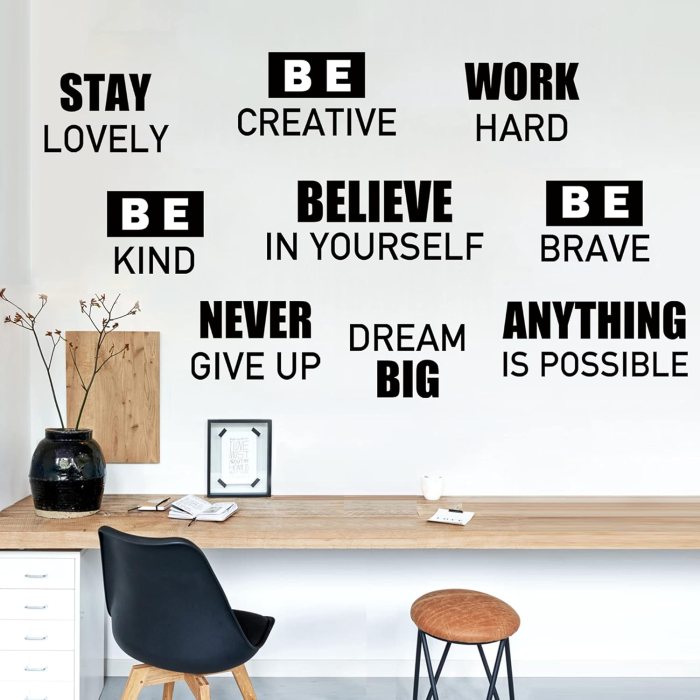
Motivational wall art, a growing segment of the home décor market, relies on a careful selection of materials and production methods to achieve both aesthetic appeal and durability. The choice of these elements directly impacts the final product’s cost, sustainability, and longevity. Understanding the various options available allows consumers and businesses to make informed decisions.The selection of materials and production methods significantly influences the aesthetic appeal, longevity, and cost of motivational wall art.
These factors also play a crucial role in the environmental impact of the product lifecycle. From the sourcing of raw materials to the final printing and framing stages, every decision contributes to the overall experience.
Characteristics of Different Materials
The materials used in motivational wall art vary widely, impacting the final product’s look and feel. Wood, for example, offers a warm, natural aesthetic, while metal provides a more modern and contemporary feel. Canvas, a popular choice for prints, offers versatility and a traditional look. Acrylic or resin-coated materials add a glossy finish and resistance to damage.
Each material has unique properties in terms of texture, weight, and durability. Furthermore, the quality of the material directly influences the price point of the artwork.
Printing Techniques
Various printing techniques are employed to bring motivational messages to life on the chosen material. Digital printing offers high-resolution images and the ability to create complex designs, often at a competitive price point. Screen printing, a more traditional method, allows for vibrant colors and intricate patterns, but is generally more costly for large-scale production. Giclée printing, known for its high-quality results, is a premium option for fine art prints, often used for motivational pieces that demand a sophisticated aesthetic.
The choice of printing technique often correlates with the desired level of detail and visual impact.
Framing Methods
Framing plays a critical role in the final presentation of motivational wall art. Simple, modern frames can highlight the print itself, while ornate frames can add a touch of elegance. The choice of frame material – wood, metal, or even acrylic – influences the overall aesthetic. The method of mounting the print within the frame, whether glued or stretched, affects the print’s longevity and the artwork’s visual appeal.
High-quality framing materials contribute to the artwork’s durability and resistance to environmental factors.
Environmental Impact
The environmental footprint of motivational wall art production should be a significant consideration. The sourcing of materials, the printing process, and the framing methods all contribute to the overall impact. Sustainable materials like recycled wood or plant-based inks can reduce the environmental burden. Minimizing water usage in printing processes and opting for energy-efficient production facilities are other crucial factors.
The transportation of materials and finished products further impacts the carbon footprint. Understanding the environmental impact at each stage of production allows for more sustainable choices.
Materials, Production Methods, and Environmental Impact
| Material | Production Method | Environmental Impact |
|---|---|---|
| Recycled Wood | Digital Printing | Low |
| Canvas | Giclée Printing | Moderate |
| Metal | Screen Printing | High |
| Acrylic | Digital Printing | Medium |
Motivational Messages and Their Impact
Motivational wall art transcends mere decoration; it’s a powerful tool for fostering positive emotions and driving personal growth. The right message, carefully crafted and strategically placed, can subtly influence mood and inspire action. Choosing the right words, therefore, is crucial to maximizing the art’s impact.Effective motivational messages tap into deep-seated psychological needs for purpose, accomplishment, and belonging. By understanding the nuances of these messages, we can create art that resonates deeply with the viewer and inspires lasting change.
The carefully selected words, combined with visual appeal, create a synergistic effect, boosting the motivational power of the artwork.
Inspirational Quotes and Sayings
Inspirational quotes and sayings are the bedrock of motivational wall art. Their power lies in their concise articulation of profound ideas, evoking strong emotional responses. These messages, carefully chosen, act as constant reminders of potential, resilience, and the pursuit of goals.
- “The only person you are destined to become is the person you decide to be.” – Ralph Waldo Emerson
- “The future belongs to those who believe in the beauty of their dreams.” – Eleanor Roosevelt
- “The difference between ordinary and extraordinary is that little extra.” – Jimmy Johnson
- “Believe you can and you’re halfway there.” – Theodore Roosevelt
- “Strive not to be a success, but rather to be of value.” – Albert Einstein
These quotes, drawn from various sources, exemplify the concise and evocative language that resonates deeply.
Psychological Effects of Different Messages
Different motivational messages elicit varying psychological responses. Positive affirmations, for example, can boost self-esteem and confidence, while messages emphasizing perseverance can foster resilience in the face of challenges. Understanding these effects allows for targeted design choices.
Tailoring Messages to Specific Needs and Goals
The effectiveness of motivational messages hinges on their relevance to the individual’s specific needs and aspirations. A message focused on overcoming fear might be ideal for someone navigating a new career path, while one emphasizing personal growth might appeal to someone seeking self-improvement.
Concise and Impactful Messaging
The most impactful motivational messages are often the shortest and most direct. They leave room for personal interpretation and connection, allowing the viewer to absorb the message and make it their own. A single powerful phrase can resonate far more deeply than a lengthy, rambling declaration.
Categorization of Motivational Messages by Intended Effect
| Category | Example Messages | Intended Effect |
|---|---|---|
| Self-Esteem | “You are capable of great things,” “Believe in yourself,” “Embrace your uniqueness” | Boost confidence and self-worth |
| Perseverance | “Challenges are opportunities in disguise,” “Don’t give up on your dreams,” “Every step counts” | Foster resilience and determination |
| Goal Setting | “Define your goals, visualize your success,” “Take action, embrace the journey,” “Dream big, start small” | Encourage goal-oriented behavior and planning |
| Mindfulness | “Be present in the moment,” “Appreciate the journey,” “Find peace in your heart” | Promote mental well-being and inner calm |
This table provides a structured framework for understanding the different types of messages and their respective effects, enabling designers to choose appropriate messages for specific target audiences.
Trends in Motivational Wall Art
Motivational wall art, once a niche market, has exploded in popularity, reflecting a broader societal shift towards self-improvement and personal well-being. This evolution is mirrored in the ever-changing trends driving the design and production of these visual affirmations. Understanding these trends allows businesses to stay ahead of the curve and tailor their products to meet evolving consumer preferences.Current motivational wall art designs often incorporate a blend of aesthetics and psychology, aiming to evoke feelings of positivity and inspiration.
The incorporation of bold colors, impactful typography, and symbolic imagery are becoming increasingly common, aiming to resonate with a wide range of demographics and individual preferences.
Current Trends in Design
Motivational wall art is no longer confined to simple inspirational quotes. Contemporary designs often feature abstract shapes, bold typography, and vibrant color palettes. The use of minimalist aesthetics, while maintaining a clear message, has become a significant trend. This approach often appeals to a broader audience, creating a more universal appeal and visual impact.
Influence of Social Media
Social media platforms significantly influence the trends in motivational wall art. Visual sharing platforms like Instagram and Pinterest showcase a constant stream of inspirational designs. This creates a feedback loop, where popular designs are further amplified and replicated, driving demand for similar styles. Users often curate personalized collections, inspiring new themes and designs, which in turn are often translated into physical products.
Evolution of Styles
The evolution of motivational wall art styles mirrors broader design trends. Early designs often leaned toward simple, straightforward typography and imagery. More recently, there’s a notable shift towards more complex compositions and intricate designs, reflecting a desire for a more nuanced and personal expression. This evolution has been heavily influenced by the rise of digital art and the use of digital printing technologies, enabling artists to experiment with a wider range of styles and aesthetics.
Importance of Staying Updated
Staying current with trends in motivational wall art is critical for success in the market. Consumers are increasingly discerning and are drawn to designs that reflect contemporary aesthetics. A failure to adapt to these trends can lead to a decline in sales and market share. By anticipating shifts in consumer preferences and adjusting offerings accordingly, businesses can maintain relevance and capitalize on emerging trends.
Examples of Popular Designs
Examples of popular motivational wall art designs from recent years include:
- Minimalist Typography: Large, bold typography with clean, uncluttered designs featuring single, powerful quotes or affirmations. These designs often use a limited color palette to enhance the impact of the text.
- Abstract Geometric Patterns: Wall art featuring intricate geometric patterns or abstract shapes combined with motivational messages, evoking a sense of strength and harmony. These designs frequently incorporate a vibrant color palette.
- Nature-Inspired Designs: Wall art featuring nature-inspired imagery, like stylized landscapes or close-ups of plants or flowers, often paired with inspirational quotes. These designs evoke a sense of calm and serenity, reflecting the increasing popularity of nature-based aesthetics.
- Bold Color Palettes: Wall art that uses a wide range of bright and bold colors to create a visually striking and memorable effect. This is frequently coupled with motivational messages to create an inspirational impact.
Inspirational Quotes for Motivational Wall Art
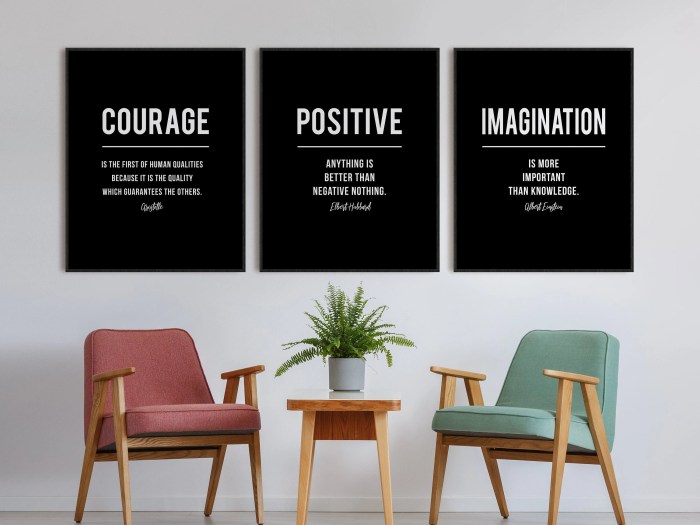
Motivational wall art, with its carefully chosen imagery and impactful messages, can profoundly influence the mood and mindset of those who encounter it. Effective quotes play a crucial role in amplifying this impact, acting as succinct reminders of principles for success, happiness, and self-improvement. A well-selected quote can resonate deeply, fostering a sense of purpose and drive.The impact of a quote on its audience hinges on its ability to connect with the individual’s aspirations and current circumstances.
For instance, a quote about perseverance might resonate strongly with someone facing a personal challenge, while a quote about gratitude might be particularly meaningful to someone feeling overwhelmed by daily stress. The choice of the right quote is therefore crucial in optimizing its effect.
Inspirational Quotes Related to Success
A well-chosen quote about success can provide a constant reminder of the effort and determination needed to achieve goals. These quotes often emphasize the importance of hard work, resilience, and seizing opportunities.
- “The only way to do great work is to love what you do.”
-Steve Jobs - “Success is not final, failure is not fatal: it is the courage to continue that counts.”
-Winston Churchill - “The difference between ordinary and extraordinary is that little extra.”
-Jimmy Johnson - “The future belongs to those who believe in the beauty of their dreams.”
-Eleanor Roosevelt
Inspirational Quotes Related to Happiness
Quotes about happiness often focus on appreciating the present moment, cultivating gratitude, and building positive relationships. These quotes can foster a sense of contentment and well-being, encouraging individuals to prioritize joy in their lives.
- “Happiness is not something ready-made. It comes from your own actions.”
-Dalai Lama - “The best and most beautiful things in the world cannot be seen or even touched – they must be felt with the heart.”
-Helen Keller - “Happiness is not a goal; it’s a by-product of a life well-lived.”
-Unknown - “The purpose of life, after all, is to live it, to taste experience to the utmost, to reach out eagerly and without fear for newer and richer experience.”
-Eleanor Roosevelt
Inspirational Quotes Related to Self-Improvement
Quotes about self-improvement often emphasize the importance of personal growth, learning from mistakes, and embracing challenges. These quotes can encourage individuals to strive for continuous development and fulfillment.
- “The only person you are destined to become is the person you decide to be.”
-Ralph Waldo Emerson - “The mind is everything. What you think you become.”
-Buddha - “The best and most beautiful things in the world cannot be seen or even touched – they must be felt with the heart.”
-Helen Keller - “Strive not to be a success, but rather to be of value.”
-Albert Einstein
Significance of Author Attribution
Author attribution significantly impacts the perceived credibility and weight of a quote. A well-known author, like Steve Jobs or Mahatma Gandhi, lends immediate authority to the message. Knowing the source can deepen the quote’s resonance with the audience.
Inspirational Quotes for Various Settings
The selection of inspirational quotes should consider the intended setting. Quotes for an office environment might focus on productivity and teamwork, while those for a home might emphasize family values or personal well-being.
- Office: “The only limit to our realization of tomorrow will be our doubts of today.”
-Franklin D. Roosevelt - Home: “The family is the compass that guides us through life, the anchor that gives us strength, and the source of our joy.”
-Unknown - Personal Growth: “The only way to do great work is to love what you do.”
-Steve Jobs - Motivation: “Believe you can and you’re halfway there.”
-Theodore Roosevelt
Creating a Personalized Motivational Space
Cultivating a personal space that fosters motivation requires careful consideration of individual values and aesthetics. Beyond simply hanging motivational posters, a truly personalized space reflects the unique aspirations and values of its inhabitant, transforming the environment into a daily source of inspiration. This approach leverages the power of visual cues to cultivate a productive and uplifting atmosphere.A motivational space is more than just a collection of inspirational quotes.
It’s a curated environment that supports and reinforces personal values, goals, and aspirations. This curated space encourages self-reflection and provides a visual reminder of the positive intentions and motivations that drive individuals.
Strategies for Selecting Resonant Wall Art
Personal values serve as a cornerstone for selecting wall art that truly resonates. Identifying core values—whether it’s creativity, perseverance, or compassion—helps narrow the search. Art reflecting these values will naturally elicit a stronger emotional response, thus strengthening their impact. Consider how the chosen piece connects to personal experiences, significant achievements, or even the colors and textures that evoke positive feelings.
Curating a Motivational Gallery Wall
A gallery wall transcends a simple arrangement of art. It becomes a visual narrative, showcasing personal journeys and milestones. Start by envisioning a theme or overarching message. A collection of inspirational quotes, photographs from meaningful trips, or artwork that evokes a particular emotion can all contribute to a cohesive and impactful gallery. Strategically placing the pieces allows for a dynamic display that captures the essence of the individual.
Aligning Wall Art with Personal Aesthetics
Aesthetic consistency is key to creating a harmonious and motivating environment. A cohesive color palette, texture, and overall design style will tie the space together. For example, a minimalist space might benefit from clean lines and monochromatic artwork, while a vibrant and eclectic style could feature a diverse collection of colors and patterns. This ensures the art complements the overall ambiance of the room, reinforcing a sense of harmony and purpose.
Methods for Creating a Personalized Gallery Wall
Crafting a personalized gallery wall involves more than simply arranging pieces on the wall. Consider the balance of colors, shapes, and sizes. Varying the scale and style of art pieces adds visual interest and depth. A mix of framed artwork, photographs, and even decorative elements can create a unique and dynamic display. Consider using different framing styles to emphasize certain pieces or add visual intrigue.
Finally, strategic placement is crucial. Grouping pieces by theme or color allows for a curated aesthetic, creating a focused display.
E-commerce Considerations for Motivational Wall Art
Motivational wall art, with its ability to inspire and uplift, presents a compelling opportunity for e-commerce success. However, translating this tangible appeal into online sales requires a nuanced approach, focusing on the unique characteristics of this product category. Successful e-commerce strategies for motivational wall art must emphasize visual appeal, accurate information, and a positive user experience.
High-Quality Product Photography
High-quality product photography is paramount in online sales, particularly for visual products like motivational wall art. Potential customers rely heavily on images to envision the product in their own space. Clear, well-lit images showcasing the art’s design, color, and texture are crucial. Images should ideally present the art in various contexts, such as against different color backgrounds, to demonstrate how it might fit into a variety of rooms and styles.
A professional photographer specializing in product photography will capture the nuances of the artwork’s details, ensuring potential buyers have a realistic representation of the piece. Furthermore, images should ideally show the artwork at different angles and close-ups to highlight its unique features and intricate designs.
Accurate Product Descriptions
Accurate and compelling product descriptions are essential to guide online shoppers. They should provide detailed information about the artwork, including its dimensions, materials, printing techniques, and any unique features. Descriptions should also highlight the motivational message and the emotional impact the art aims to evoke. A description that resonates with the target audience is vital. For example, describing a piece featuring a quote about resilience as “a powerful reminder of inner strength” might be more effective than simply listing its size and color.
Compelling Online Store Displays
Creating engaging online store displays is critical for capturing attention and driving sales. Effective displays should organize products based on themes, colors, or target audiences. Using relevant s and tags will enhance searchability, enabling customers to easily find the art that resonates with their interests. Integrating high-quality images, short videos showcasing the artwork in context, and incorporating user reviews and testimonials into the display will enhance the browsing experience and boost confidence in purchasing decisions.
Presenting motivational wall art within visually appealing and relevant collections will enhance the shopping experience.
User Reviews and Testimonials
User reviews and testimonials play a vital role in building trust and credibility in online sales. Positive feedback from satisfied customers can significantly influence purchasing decisions. Displaying these reviews prominently on product pages and within the store can showcase the art’s value and positive impact. Reviews should be genuine and authentic, showcasing diverse perspectives on the artwork’s effectiveness and aesthetic appeal.
Allowing customers to easily share their experiences via reviews will enhance the online store’s social proof.
User-Friendly Online Store
A user-friendly online store is critical for a positive customer experience. This includes intuitive navigation, secure checkout processes, and clear return policies. A streamlined shopping experience encourages conversions and reduces cart abandonment. A responsive design that adapts seamlessly to various devices (desktops, tablets, and smartphones) ensures accessibility across different platforms. A simple and clear layout with easy-to-find product information and an effortless checkout process contributes to a positive online shopping experience.
Sustainability and Ethical Considerations in Motivational Wall Art
Motivational wall art, a burgeoning market, faces increasing scrutiny regarding its environmental and social footprint. Consumers are increasingly demanding products that align with their values, pushing businesses to adopt sustainable practices and ethical sourcing. This necessitates a careful evaluation of materials, production methods, and labor standards to ensure long-term viability and positive impact.The market for motivational wall art is growing, but so is consumer awareness of environmental and social issues.
Ethical considerations, encompassing sustainable materials and fair labor practices, are no longer optional but integral to product development and brand image. This section explores the vital role of sustainability in the motivational wall art industry.
Environmental Impact of Materials
The choice of materials significantly impacts the environmental footprint of motivational wall art. Wood, a popular material, carries varying degrees of environmental impact depending on the source and harvesting practices. Recycled or sustainably sourced wood minimizes deforestation and promotes responsible forestry. Metal, while often recyclable, may have high embodied energy, meaning the energy used in its extraction and processing significantly impacts its environmental footprint.
Alternative materials like bamboo, cork, or recycled plastic offer more environmentally friendly alternatives. Consideration must be given to the life cycle assessment of each material, encompassing its extraction, manufacturing, and disposal.
Ethical Sourcing of Materials
Ethical sourcing goes beyond simply using sustainable materials. It encompasses the entire supply chain, ensuring fair compensation for workers and adherence to labor standards throughout the production process. Companies should trace the origin of their materials, verify the ethical treatment of workers, and avoid exploitation in any part of the supply chain. This includes confirming that the suppliers meet industry standards regarding labor conditions, fair wages, and safe working environments.
Transparency and traceability are essential to build trust and ensure ethical sourcing.
Sustainable Production Practices
Sustainable production practices are critical for minimizing environmental harm and promoting ethical labor standards. Reducing water consumption during manufacturing, minimizing waste generation, and using energy-efficient equipment are all crucial elements. Companies should explore the adoption of closed-loop systems, where materials are recycled and reused within the production process, minimizing waste and reducing reliance on virgin resources. Certifications like Forest Stewardship Council (FSC) or Fairtrade can validate the sustainability and ethical practices of a product.
Environmentally Conscious Wall Art Options
Numerous environmentally conscious options are available for motivational wall art. For example, artwork created from reclaimed wood, repurposed materials, or sustainable plant-based inks are gaining popularity. These materials offer both aesthetic appeal and environmental benefits. Companies can also explore alternative packaging materials, such as recycled cardboard or biodegradable options. The use of sustainable printing methods, like water-based inks, further minimizes environmental impact.
Fair Labor Practices in Production
Fair labor practices are paramount in the production process. This involves ensuring fair wages, safe working conditions, and the right to organize for workers involved in sourcing materials, manufacturing, and distribution. Companies should conduct regular audits to verify adherence to labor standards and address any identified issues. Transparency regarding labor practices and supply chains is crucial to foster trust and build a reputation for ethical production.
Companies should actively support fair trade practices, promoting a sustainable and equitable production chain.
Concluding Remarks
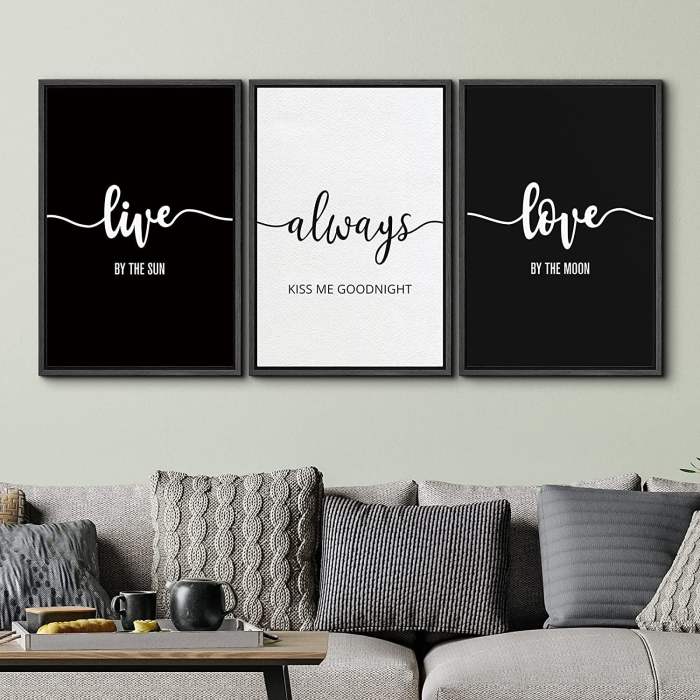
In conclusion, motivational wall art is more than just decoration; it’s a dynamic element capable of shaping a space’s ambiance and influencing the occupants’ emotions. The selection process, from choosing the right style to considering sustainable materials, should prioritize personal connection and impact. By understanding the diverse aspects of motivational wall art, you can effectively curate a space that supports your aspirations and elevates your well-being.